The Format War in MotoGP: The New Order Dividing the 2027 Riders
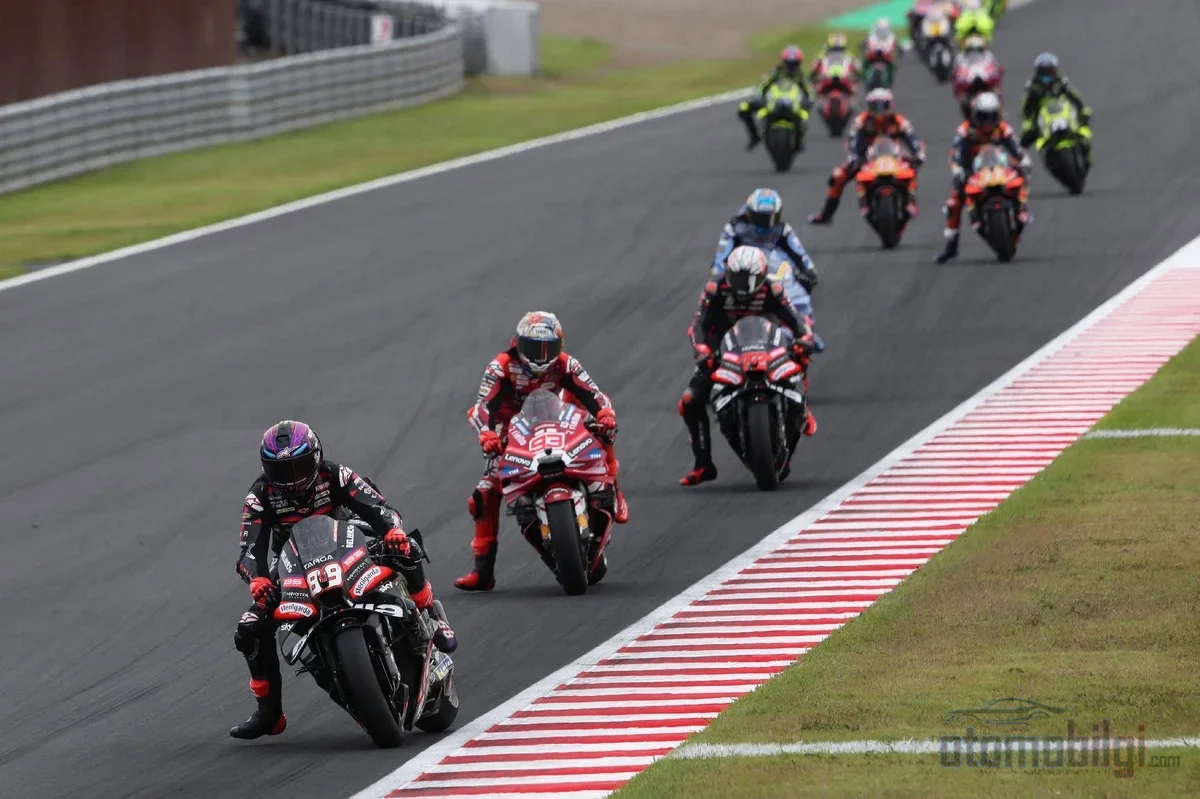
Share This Page
From the 2027 season onward, MotoGP is changing its weekend format: two separate qualifying sessions will now produce two separate grids. The starting order of the Sprint race will be determined by the 15-minute Sprint Qualifying on Friday, while the grid for Sunday's Grand Prix will come, as usual, from Saturday qualifying. This puts an end to the era when a single bad qualifying lap forced a rider to start from the back in both races - but not the entire paddock is applauding the change. The riders are divided between show and workload.
Highlights
- 2027 will determine the sprint grid on Friday with the 15-minute Sprint Qualifying.
- Sunday morning warm-up is being scrapped; in its place comes 10 minutes of pitlane access.
- The decision was made by a team vote as part of the Austrian GP; only 4 riders were present in the safety commission.
- Acosta warns that the new format could shorten careers; he suggests halving the number of sprints.
- The change 850cc will take effect the same season as the new regulations.
How is the 2027 MotoGP weekend format changing?
Until now, the single qualifying session on Saturday determined the grid for both the Tissot Sprint and Sunday's main race. In 2027, this shared arrangement comes to an end. The Sprint's starting order will come from the Sprint Qualifying held on Friday afternoon; the main race grid will be set by the classic qualifying session run on Saturday morning after FP3. Friday's Practice session, which until now opened the direct gateway to Q2, is becoming history.
On the Sunday side there is a more radical cut: warm-up is being abolished entirely. Instead, on Sunday morning the track will be opened for 10 minutes of pitlane access; riders will be able to complete their reconnaissance laps via the pitlane, and the schedule will leave breathing room for promotional events. Sunday will begin with the races, with Moto3 and Moto2; MotoGP's track time will be moved earlier.
The structure of the new weekend looks like this:
| Day | Sessions | What it determines |
|---|---|---|
| Friday | FP1 (45 min), FP2 (30 min), SQ (15 min) | Sprint grid |
| Saturday | FP3 (20 min), Q1 (15 min, all riders), Q2 (15 min, fastest 12), sprint | Grand Prix grid |
| Sunday | 10 min pitlane access, Moto3-Moto2 races, main race | No warm-up |
Splitting Saturday qualifying into three sessions in Formula 1 style (Q1/Q2/Q3) was also on the table; this scenario was rejected in the vote at Spielberg. The result is a revision considerably more modest than the sprint revolution of 2023 - at least on paper.
Where and how was the decision made?
The change was approved by a team vote at the Red Bull Ring during the Austrian Grand Prix weekend. There is also a historical symmetry: the sprint race idea was first raised in 2022, also at Spielberg; it being the place where the separate sprint qualifying was approved is one of the calendar's whims. The format change coinciding with the same season as the new 850cc regulations shows that MotoGP is framing 2027 as a turning point.
Another detail in this affair was learned later: the idea for sprint qualifying came not from the riders but from the teams - with the aim of making the show even better. The riders themselves had voiced this idea in the past; the phrase "we want two qualifying sessions" had already been heard from many corners of the grid. The problem is not the idea, but how the process works.
Why are the riders divided?
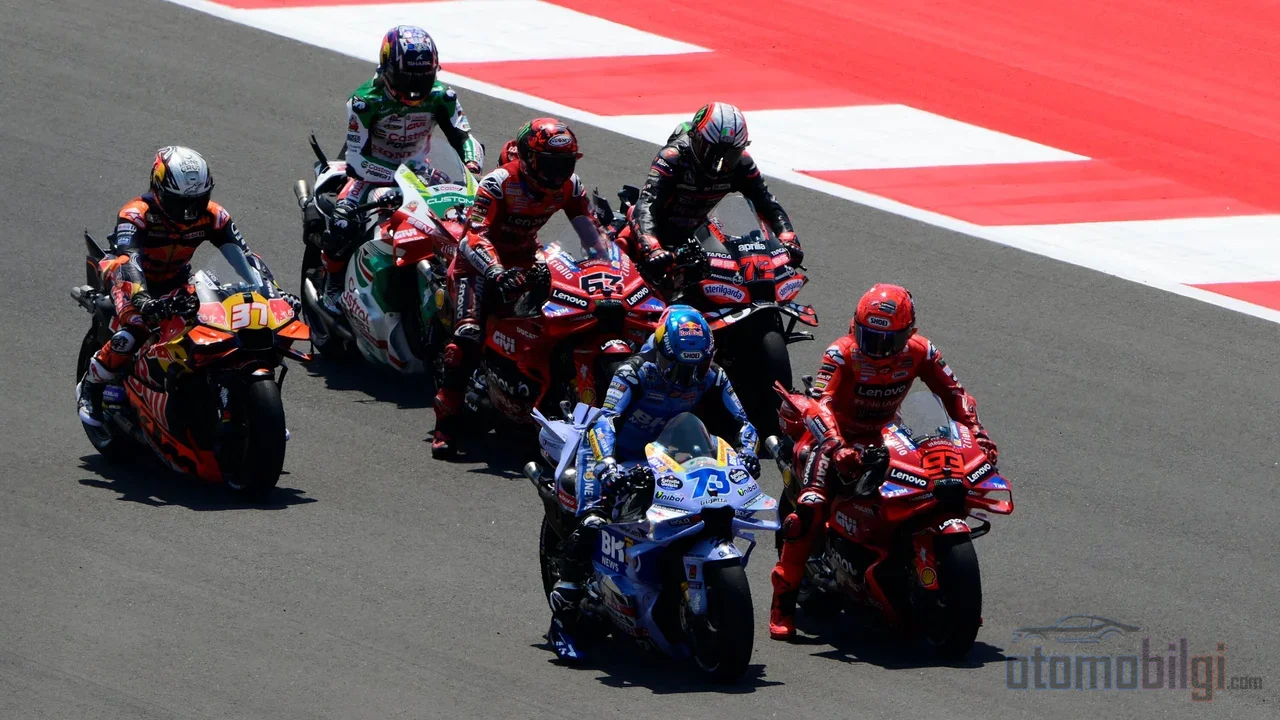
The supporting camp: two starts, two chances
The argument of the names behind the format is technical and reasonable: because there are two starts, the criticality of qualifying increases and each session offers its own story. In the past, a crash or technical failure in Q1 or Q2 meant the rider started both races from the same bad grid position; the new arrangement eliminates this domino effect. Bagnaia has a nuanced position: he sees the format as an improvement, but wants warm-up to be brought back - "We have always wanted one qualifying session per race. However, a Warm-Up should be added," he says. It is also said that the very idea of two separate qualifying sessions was something he brought up.
Luca Marini welcomes the separate sprint qualifying but reads the picture more cautiously: while he finds the format "interesting," he does not spare the word "stressful"; he considers the removal of the Sunday warm-up "a pity" for both riders and fans. Marc Marquez, on the other hand, is the one who pushes the debate aside: he says riders "need to shut their mouths" about the 2027 qualifying changes, and reports that when asked in the safety commission, all four said "ok" to sprint qualifying.
The opposing camp: stress, risk and shortening careers
The heavy center of the objections is Pedro Acosta. His calculation is simple and harsh: adding another "full-throttle time attack" to every weekend pushes riders' already most demanding kilometers even harder; a valuable warm-up session is lost and the number of moments spent in high-risk positions increases. As a result, Acosta openly warns that the format could shorten riders' careers.
With the new format and 22 Sprints, avoiding injury will be impossible.
Acosta's proposal is also clear: cutting the number of sprints in half. According to him, instead of putting a sprint on every race weekend, "half the number of sprints is a good number." Alex Marquez makes a similar criticism: he believes the format increases the demands placed on the rider more than necessary and could raise the number of risky situations. Fabio Di Giannantonio warns that adding sprint qualifying could go against rider health; Jack Miller, for his part, questions the removal of the Sunday warm-up in particular and voices his concern about the decreasing practice time.
A decision made by four riders?
Perhaps what made this debate even hotter than the format itself was the process. At the weekend safety meeting consulted on the format, only four riders were present: Bagnaia, Luca Marini, Fermin Aldeguer and Jack Miller. All four approved the agreement; when criticism rose, it was emphasized that the only dissenting voice came from outside. However, for those looking from the other side, this very picture is the problem: four people deciding the fate of a twenty-two-rider grid in a session feeds the claims that "riders have no choice."
The response from the Dorna side is along these lines: it is argued that riders can still provide feedback on the 2027 changes, and that teams are encouraged to consult with their riders. What Carlos Ezpeleta stressed was the assurance that the feedback channel is open - but this assurance delegates the responsibility of conveying feedback to the teams. In other words, it is true that the channel is open; how much it is used is a separate matter.
Show or safety: the real substance of the two arguments
The MotoGP side's thesis is that the format balances show with track time, prevents the double-grid problem caused by a single crash, and creates a new bet in every session. Nobody denies this; the issue is who pays the price of this balance. Qualifying is already the most demanding part of a weekend: a single flying lap played at the limit is a bet that ends Sunday too in case of one mistake; now the same bet is played twice. Every added high-risk session statistically increases the chance of injury - Acosta's "it will be impossible" remark is not an exaggeration, it's math.
Added to this is a regulation on the tire front: in 2027, the tire allocation for qualifying will be reduced; the aim is to lower the riders' motivation to exceed the limit. It can be seen as a countermeasure attempting to brake the extra pressure brought by the format. It may count as a sign that the management is aware of the problem; whether it will be enough remains to be seen.
A split even among supporters: the warm-up issue
The format's quietest but perhaps most enduring point of debate may be warm-up. Even within the supporting camp, this is a breaking point: while Bagnaia supports the format, he virtually insists on the return of warm-up; Marini finds its removal "a pity"; Miller questions it. Speaking with thirty years of habit, checking the equipment and the rider's rhythm before the race on Sunday morning in a short lap was one of motorsport's most sensible safeguards. The 10-minute pitlane access and shakedown laps put in its place only partially substitute for a real pace test on track. This will probably be the first clause of the format to be revised in the coming seasons.
Where is this format taking MotoGP?
When measured calmly, the picture is this: a separate sprint qualifying, built with sound logic, a regulation that solves a legitimate problem (the double penalty of a single bad qualifying session). But the same regulation is built on a physical cost: an extra flat-out session, a lost warm-up, and an increased workload. That is why the riders' split opinion is no coincidence; both sides of the equation are real. The real test of this new weekend, which comes with the 850cc regulations, will not be on track in 2027, but on the injury list as the season progresses. What happens there will take the place of today's votes and defenses.
Sources
- MotoGP confirms 2027 weekend format changes, including new sprint qualifying
- MotoGP introduces new weekend format from 2027
- MotoGP announces major format change for 2027
- Why 2027 format revamp has divided MotoGP riders
- MotoGP responds to criticism over lack of rider input on 2027 format change
- MotoGP says riders can still give feedback on 2027 changes
- Pedro Acosta warns 2027 MotoGP Sprint qualifying format will shorten careers
- Luca Marini reacts to "interesting" but "stressful" new MotoGP sprint qualifying format
- Risky or good for the show? MotoGP riders divided on contentious 2027 format
- VR46 star warns adding sprint qualifying could go against riders' health
- KTM MotoGP: Pedro Acosta warns increased injury risk, shorter careers
- MotoGP, Acosta: "With the new format and 22 Sprints, it will be impossible not to get injured"
- MotoGP 2027 changes spark rider safety backlash
- MotoGP 2027 Qualifying Format - Two Grids, More Risk?
- MotoGP considers separate Sprint qualifying in F1-style format change for 2027
- New MotoGP format 2027: what changes for sponsors
- MotoGP Format 2027 Divides the Riders