The Anatomy of DTM Class 1 Cars
Share This Page
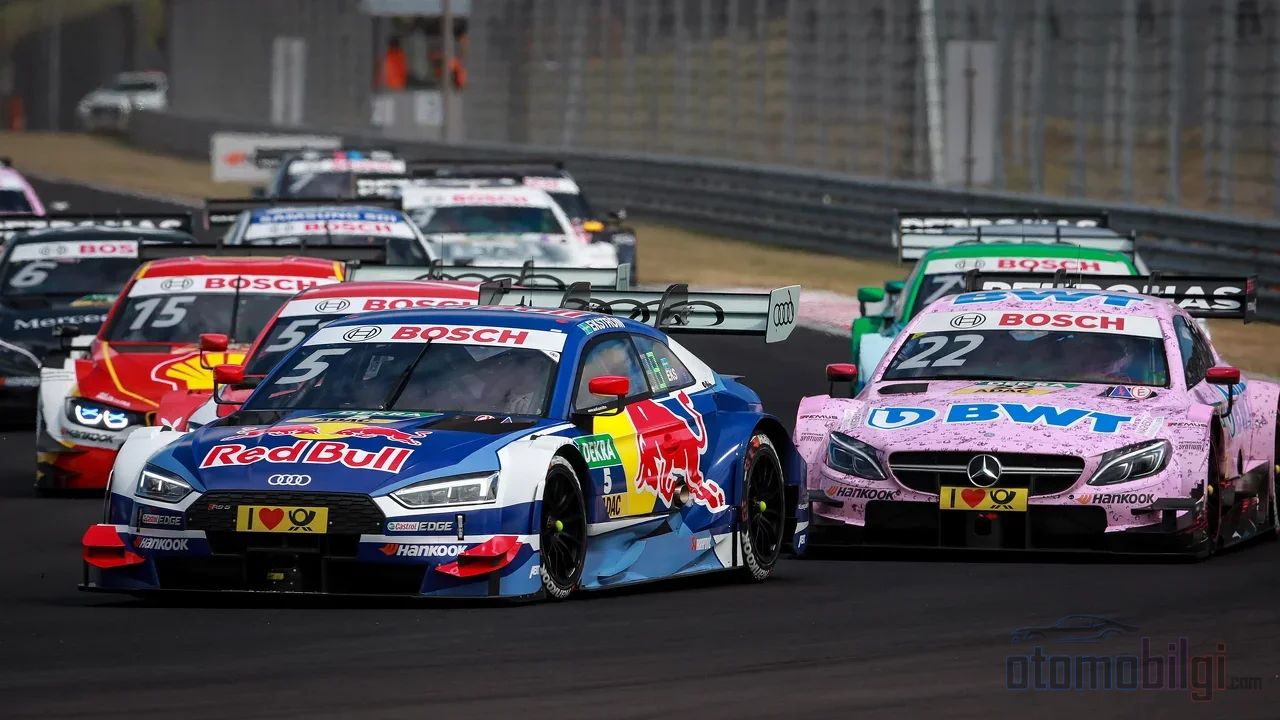
The Class 1 cars that raced in DTM between 2019 and 2020 were the most powerful machines in the championship's history: Their 2.0-liter turbocharged four-cylinder engines exceeded 600 hp, making them the fastest DTM cars ever. On this page we cover the technical evolution from naturally aspirated V8s to the turbo era, the aero and chassis details, and why this crazy class managed to survive only two seasons.
Highlights
- In 2019, 610 + 30 hp (with push-to-pass), in 2020 580 + 60 hp of power
- 2.0-liter turbo inline-4, maximum 9,500 rpm, direct injection
- Wheelbase 2,750 mm, minimum weight 1,070 kg - power-to-weight 1.6 kg/hp
- At Hockenheim, DRS alone added about 9 km/h of top speed
- The Class 1 regulations were abandoned at the end of 2020; DTM switched to a GT3 base in 2021
From V8 to Turbo: How Did DTM Car Technology Evolve?
Engines were always the main character in the story of DTM. From the early 2000s until 2018, all DTM cars were rear-wheel drive with 4.0-liter naturally aspirated V8 engines - meaning no turbocharging, no hybrid, just displacement and sound. But the turbo idea actually entered the series for the first time in 2019; the series' first real encounter with turbocharging dates back much further. The Class 1 regulations introduced in 1993 gave manufacturers tremendous technical freedom, opening the doors to 2.5-liter engines, advanced electronics, and cutting-edge aerodynamics. The cars of that era are still called "touring car-looking prototypes" even today - because that's exactly what they were!
The open rulebook had two faces. On one side, magnificent machines; on the other, costs spiraling out of control. The result? In 1996, the championship collapsed completely. This lesson explains why the 2019 turbo transition was made not in haste, but by postponement: the rules had actually been decided as early as 2015, the first aerodynamic changes were planned for that year, and the introduction of turbo engines was postponed to 2019 - because manufacturers didn't want to jump straight into a new and more expensive development war. Guess what: did the postponement work? Read more.
A Short Technical Stop at the Older Generations
In the DTM of the 80s and 90s, naturally aspirated engines reigned supreme. The legendary BMW S14, in DTM form, initially ran with 2.3 liters and 300 hp @ 8,200 rpm, reaching 2.5 liters and 340 hp by 1990. The Class 1 cars of the 90s, meanwhile, hosted V6s of around 500 hp and 2.5-liter naturally aspirated units of around 350 hp. So "naturally aspirated = slow" was never a given; turbo simply waited in the corner of the agenda as a way of extracting more power from less displacement.
How Much Horsepower Did the Class 1 Era Cars Produce? Anatomy of the Engine and Drivetrain
In 2019, DTM bid farewell to the 4.0-liter V8s and switched to 2.0-liter turbocharged inline-4 units. The sentence is simple, but the numbers are crazy: Audi's RS 5 DTM engine produced power in excess of 610 hp. At BMW, the P66 V8 was replaced by the newly developed P48 turbo engine; the result was an M4 DTM reaching roughly 300 km/h with a power/weight ratio of 1.6 kg/hp.
Engine rules were quite specific: 2.0-liter inline-4, maximum 9,500 rpm, direct injection, and a maximum fuel flow of 90 kilograms per hour. That last item matters a lot, because fuel flow defines the power floor - the more gasoline flows, the bigger the bang you make. So where did the extra power come from? From push-to-pass! By increasing the allowed fuel flow for a limited time, you got a short burst of extra power. In 2019 the equation was 610 + 30 hp; in 2020 the balance shifted and it was moved to 580 + 60 hp. The overall power range was between 550-650 PS. So even within the same class, the philosophy of "where power comes from" could change between years - nice detail, right?
On the gearbox side, the philosophy was the opposite: the gearbox and its ratios were fixed, and only 11 different drop gear options were allowed. The engineers were told "free the engine, lock the gearbox." The effort to keep costs under control was felt everywhere.
The rule sheet: Class 1's fixed dimensions
| Feature | Value |
|---|---|
| Engine | 2.0L turbo inline-4, direct injection |
| Maximum revs | 9,500 rpm |
| Fuel flow | ≤ 90 kg/hour |
| Wheelbase | 2,750 mm |
| Maximum width | 1,950 mm |
| Minimum weight (with driver, without fuel) | 1,070 kg |
| 2019 power | 610 hp (+30 hp push-to-pass) |
| 2020 power | 580 hp (+60 hp push-to-pass) |
The silhouettes resembling road cars were no coincidence either: the front-engine, rear-wheel-drive layout provided the connection the manufacturers wanted to showcase. But beneath the looks lay a shared spec carbon monocoque and common suspension components; even the suspension mounting points were restricted to defined "boxes." Another detail known from DTM-GT500 comparisons is this: the monocoque weighed around 126 kg, and the roll cage about 32.5 kg. In other words, a formula of "shared carbon tub + unique engineering."
Aerodynamics: Less Wing, More Fight
The biggest aero change of 2019 summarized the regulators' philosophy: more power, less downforce - harder driving, better racing. The front splitter was shrunk, and the rear wing became wider with a single profile. The result? Downforce dropped, nailing the aero balance became harder, and the large single-element wing amplified the DRS effect. You could activate DRS at most 3 times per lap, and teams could choose the activation zones themselves - except for zones with only a lateral acceleration/brake pressure threshold. At Hockenheim, DRS alone added roughly 9 km/h of top speed. Free-pass speed, essentially free of charge on top.
Despite the restrictions, Class 1 cars probably produced higher downforce than any current GT race car; the weak point was aerodynamic efficiency - that is, the drag price you paid for the downforce you generated. The technical race here was interesting too: Audi championed a high rake (raised rear) concept while BMW had opted for a low rake approach; It was said that BMW thought the Audi approach was more effective but couldn't deliver it with its existing design.
And there was another issue everyone forgot but which was the main headache of the aero teams: the cooling demands of the turbo engine. The development budget was spent more on cooling and balance than on performance. Think about it: controlling the heat of a 600-horsepower four-cylinder was harder than finding extra downforce.
Suspension and Brakes: What Was the Third Spring Ban For?
The 2019 rules banned the third spring/damper system. These components allow race cars to fine-tune body movement in corners; banning them pushed teams toward creative solutions. The assessment from the engineering world was brutal: it was believed the ban saved no costs and was a meaningless restriction from an engineering standpoint. In other words, the well-intentioned rule simply pushed everyone toward more cumbersome paths in practice.
Bans aside, the picture you encountered in the car was impressive: aggressive anti-dive (front) and anti-lift (rear) geometries were critical for keeping the aerodynamic platform flat under braking. And increased power meant higher top speeds - which demanded harder braking. You won't believe your eyes when you see the 2020 BMW F82's technical record: a 610 hp 2.0-liter turbo engine, carbon-ceramic brakes, pushrod suspension and a 6-speed sequential gearbox; lateral g of up to 3G in high-speed corners. When you put these figures side by side with 2018's 460 hp V8 M4 DTM, you see how bold the turbo era was.
Why Did the DTM and Super GT Partnership Fail?
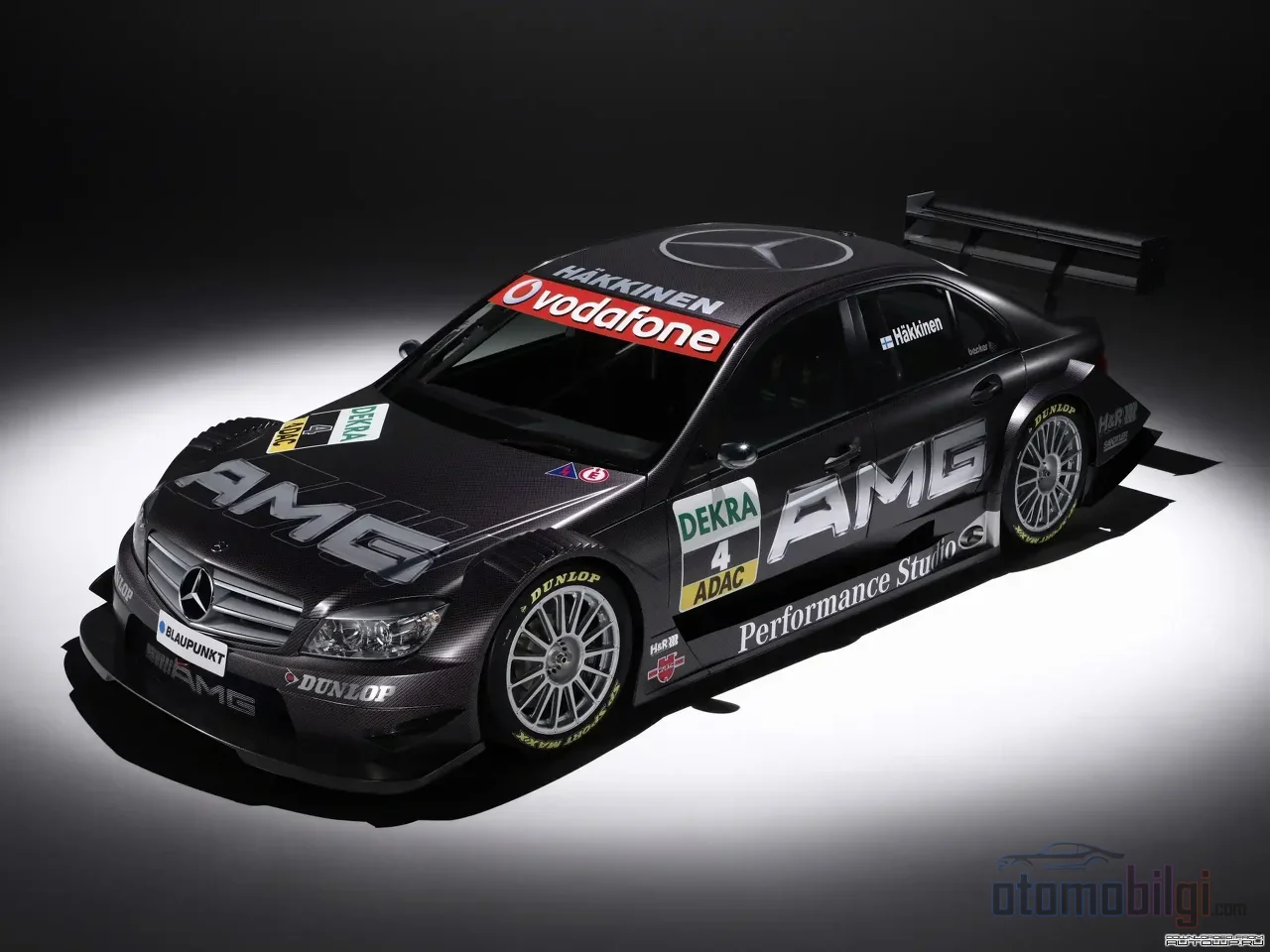
One of Class 1's most exciting ideas was bringing two continents together under a single rulebook. Starting from 2014, the DTM and Super GT began working on common base rules; In June 2018, the two series officially announced the Class 1 technical regulations and two joint exhibition races were planned for 2019 in Germany and Japan. The timing was as follows: the DTM switched to the common specifications in 2019, and Super GT's GT500 class followed in 2020. The first joint race was run at Fuji Speedway.
But the rules that looked the same on paper were not the same on the track. While the DTM worked with a single tire supplier, the tire war continued in GT500; the DTM used push-to-pass, GT500 did not; GT500's mid-mounted engine layout was banned in the DTM. The partnership was short-lived - it was said the two series held preliminary meetings for a new regulation afterwards, but no concrete common future emerged. The lesson? Writing a common rulebook is easy; keeping two different racing cultures and two different industrial realities under one roof is very hard.
Why Did the DTM Move to GT3? The Anatomy of the Collapse
The end of Class 1 fell like a tower of dominoes. At the end of 2018, Mercedes withdrew from the championship. Aston Martin joined in 2019 but left at the end of the season. At the end of 2020 Audi also withdrew - its statement pointed to the economic difficulties of the corona pandemic. BMW was left as the sole manufacturer, and this made abandoning the Class 1 rules mandatory. From 2021 onward, DTM switched to GT3-based rules; the series kept its name, and ownership later passed to ADAC.
The problem was the championship becoming too expensive; We couldn't find enough manufacturers to jump into the series, whether in Germany or Europe.
This quote is a somewhat melancholic mirror held up to the end of the 90s: this was exactly what brought about the end of the old ITC era as well. The assessment that "the cars were incredible but the championship had become too expensive and too dependent on manufacturer support" applied precisely to Class 1 too. History repeated itself - this time with the turbo era.
Did the "slow down the car" goal work?
Here was the most contentious debate. While the regulators defended the formula of more power + less downforce = better racing, the results were mixed: Comparing qualifying laps between 2018 and 2020, the 2020 cars were faster - increased engine power and the allowance of DRS in qualifying explained this. So when they said "we're slowing the car down," the ruler was being applied somewhere else. And there was the rumor front: It was claimed that Audi circumvented the fuel flow rule by storing fuel during throttle-off phases and using it at full throttle, since it was located before the flow-meter injector. This was a source-based but unproven speculation - still, it was frequently put forward to explain Audi's performance advantage. Which one do you believe?
Closing: A Two-Season Dream, A Lasting Lesson
The Class 1 era lasted two seasons, but the mark it left was great. With the fastest cars in DTM history, engines producing 600 horsepower from 2.0 liters, the tactical depth of using DRS and push-to-pass together, and the courage to bring Germany and Japan together under the same rulebook, it was perhaps the final "intent" of modern touring car racing. Costs, manufacturer withdrawals, and a pandemic ended it; but the machines that took to the track in those two years still take your breath away, even in the GT3 era. Will we ever see such a class again? In my opinion, hope is always waiting at the door - it's just that the bill is a bit high.
Sources
- The real DTM – A look into Class One (Part 1) - DrRacing's Blog
- Stage set for the Class 1 era: BMW M4 DTM press release - BMW Group
- Footage: The new Audi turbo engine for the DTM | Video
- Class 1 Touring Cars
- Deutsche Tourenwagen Masters
- Super GT, DTM Formally Announce Class 1 Technical Regulations
- DTM and Super GT's first joint race to run this weekend at Fuji Speedway
- SUPER GT Funbook 2025
- Audi to pull out of the DTM at the end of 2020
- DTM made the same mistakes as ITC, says Manuel Reuter
- DTM: Series could delay turbo engines
- BMW M Motorsport's 2019 Class 1 DTM challenger
- The mind-blowing tech of a DTM car
- DTM / GT500 2014: The ultimate touring cars
- Take a closer look at the BMW F82 DTM Class 1 car
- Audi Squeezes More Than 600 HP Out of its New Turbo-Four