From Penske to Ganassi: The World of the Teams That Run IndyCar
Share This Page
What is it in IndyCar where the cars are nearly identical, yet the work is constantly won by three or four teams? Short answer: the teams themselves. Their engineering staffs, strategy teams, pit crews, and organizational culture elevate the same chassis to a different level; and it is these same teams, namely Team Penske and Chip Ganassi Racing, that have driven the greatest rivalry in the series' history for years.
Highlights
- Team Penske with 246 wins is the most successful team in IndyCar history; Chip Ganassi Racing with 145 wins ranks second.
- The combined record of the two giants: 23 Indianapolis 500 victories and 30 National Championships.
- The crew allowed over the wall during pit stops is limited to a maximum of 7 people; in Formula 1 that number is 16.
- A team's season budget typically ranges between 3-10 million dollars per car.
- The next-generation Dallara IR-28 chassis will take the stage in the 2028 season .
Same Cars, Why Different Results? The Team's True Role
In the NTT IndyCar Series, everyone uses the same car: the standard Dallara IR-18 chassis that has been in the field since 2018. The engines don't go beyond two doors either: Honda or Chevrolet's 2.2-liter twin-turbo V6 units producing over 700 horsepower. Even the steering is not hydraulic; the driver turns the car with muscle power. So on the hardware side, there is no "ours is faster" situation.
This is precisely why teams are so critical. When the car is the same, what makes the difference is the setup, data interpretation, tire and fuel strategy, the speed of the pit crew, and the organization as a whole. In fact, this is the question beginners most often ask in forums: "If the cars are the same, what makes some teams better?" The answer mostly converges in the same direction: engineers, pit crews, and setup quality. But be careful, there is another side to the coin: the number of teams that regularly win doesn't exceed the fingers of one hand, and usually only three or four squads are seen at the top. Spec formula racing brings competition closer, but it doesn't completely erase the hierarchy.
Behind the Pit Wall: Who Is on an IndyCar Team and What Do They Do?
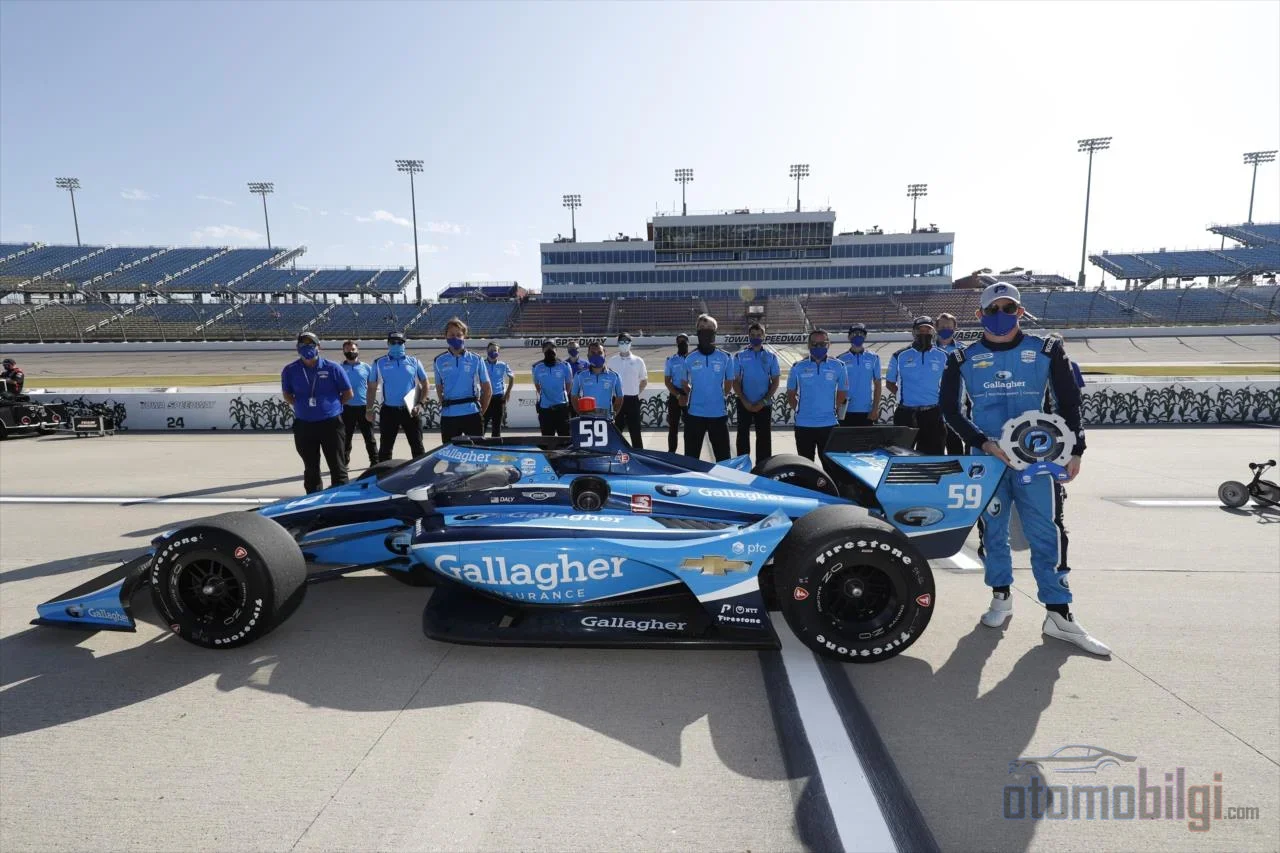
When an IndyCar car heads into a race weekend, a massive organization stands behind it. For each car, teams typically bring a crew of 12-15 people on the road: team manager, chief engineer, support engineers, crew chief, and chassis mechanics. During the race, there are usually three people in the driver's ear: the race strategist, the race engineer, and the spotter.
- Race strategist: Usually the team manager or owner. The person who has the final say on decisions such as when to pit and what to do under a yellow flag.
- Race engineer: Manages the car's setup, its data, and the technical communication with the driver. The driver's closest working partner on the engineering side.
- Pit crew: Works under the rule of a maximum of 7 people over the wall. While 16 people perform pit stops in Formula 1, the same job in IndyCar is done with a smaller team and more limited personnel.
These rosters are not static; teams reposition every season. Team Penske announced it had completed its engineering and strategist roster ahead of the 2026 season; Indy 500-winning race engineer Luke Mason and strategist Jonathan Diuguid remain in their roles. If those names do not sound familiar, no problem - what matters is this: behind championship-winning cars there is an engineering and strategist roster whose names are rarely publicized, and teams do not let go of these people.
Race Strategy: Yellow Flag, Pit Windows and the Voices in the Headset
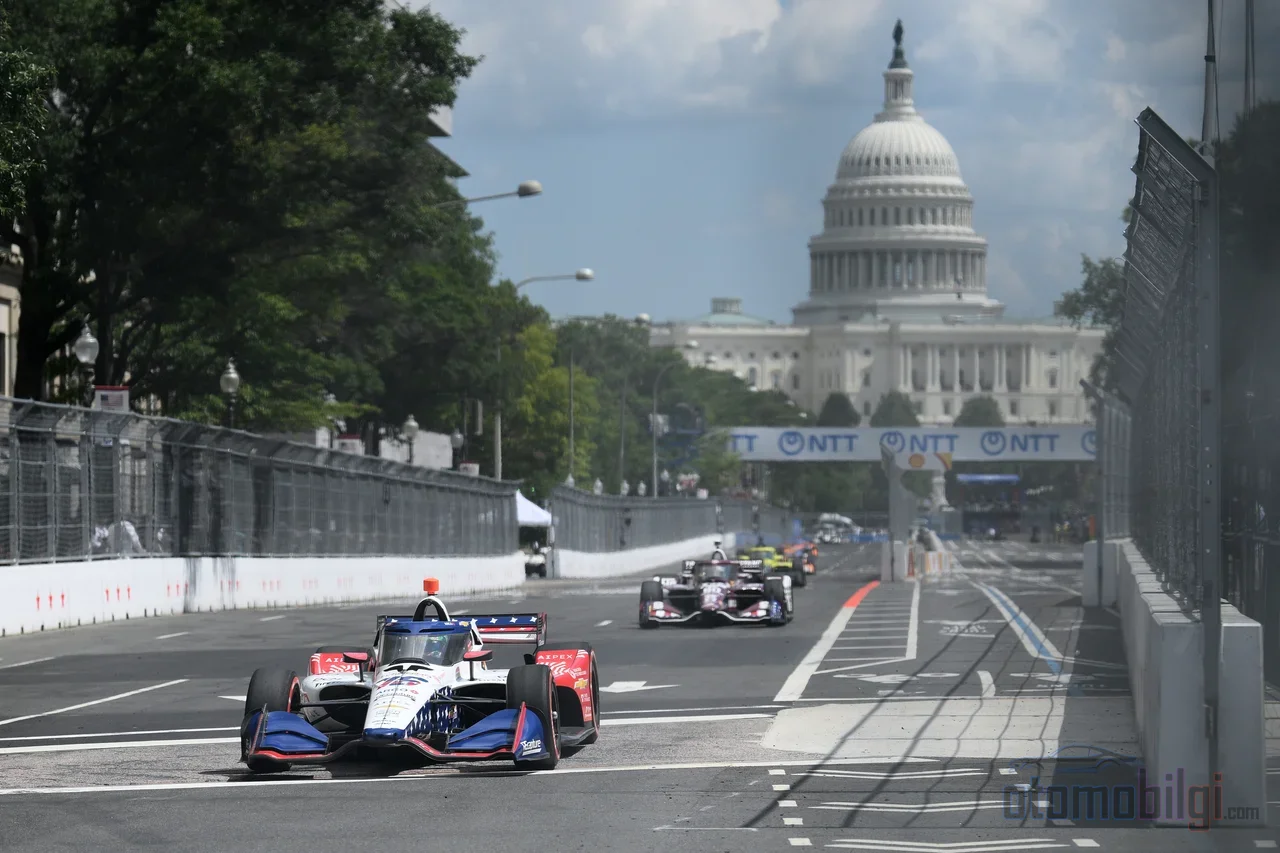
In IndyCar, strategy is a completely different game compared to Formula 1, because there are three separate track types: ovals, permanent road courses and street circuits. Lap times range from 23 seconds on short ovals to 1 minute 45 seconds on road courses. This difference completely changes the pit window and the impact of the yellow flag. Teams also choose among five different Firestone tire constructions and two compounds: hard primary (black) and soft alternate (red). Only the primary can be used on ovals.
On road and street circuits, the rule: pit before the flag comes out
On full road courses, the golden rule of strategy seems simple: pit in front of the pit window to guard against the yellow flag risk. Cars that have completed the pit cycle before the flag comes out gain track position; on a 26-car grid, a leader who has not pitted can suddenly drop to 13th. In other words, even the leader can end up continuing the race from mid-pack if they stay in the wrong window.
On ovals, the logic reverses
On ovals, a regular pit stop can drop the driver 2-3 laps behind. That is why everyone waits to pit under the yellow flag; a pit under yellow means a "free" pitstop. Eric Cowdin, one of Chip Ganassi Racing's race engineers, summarizes it with these words:
On ovals, you stay out long enough to be bold enough to catch a yellow.
When making these decisions, teams race with the data at their disposal. Most crews use standard timing data and strategy tools they have developed themselves; Arrow McLaren, meanwhile, invested in a live strategy software that combines telemetry, GPS, race control and weather data, and predicts passing probability and tire degradation. Resource inequality starts right here: not everyone has access to the same data, and this gap can be reflected as results on track.
Penske vs. Ganassi Rivalry: Two Giants in Numbers
The fiercest IndyCar rivalry of the last 20 years took shape between two names: Roger Penske and Chip Ganassi. This pair goes head to head not only in IndyCar but also on the sports car front (IMSA and the Rolex 24 Daytona). Looking at the series' history, the scale of the rivalry becomes clearer:
| Criterion | Team Penske | Chip Ganassi Racing |
|---|---|---|
| IndyCar wins | 246 (series record) | 145 |
| National championships | Team record reaching 18 at the driver level | Indy 500 victories (combined) |
| 23 | Total championships (combined) | |
| 30 | Pole positions | |
| More than 300 | - | - |
What fuels success on the Ganassi side is culture. Mike Hull, who joined the team in 1992, developed an organizational structure where drivers receive equal equipment and equal information. In other words, no driver within the team gets special treatment; everyone sees the same data and receives the same support. On the Penske side, roster stability and engineering depth stand out. These two approaches pushing each other for twenty years has been the main driving force that has raised the series' technical and strategic ceiling.
The 2026 season added a fresh chapter to this rivalry: Will Power's departure after long years racing at Penske was confirmed, and the teams' roster map changed. The grid features names like Alex Palou (No. 10, Chip Ganassi Racing Honda), David Malukas (No. 12, Team Penske Chevrolet) and Alexander Rossi. Ganassi's 2026 roster includes Kyffin Simpson, Scott Dixon and Alex Palou. Meanwhile, let's not forget: the next-generation IR-28 chassis announced for the 2028 season will be about 100 pounds lighter than the current car and will offer much greater energy storage capacity in the hybrid system; meaning the teams' engineering battle is already preparing for the next generation.
Where Does the Money Go? The True Face of IndyCar Team Economics
Running an IndyCar team for a year, while varying by car, typically costs 3-10 million dollars Compared to Formula 1 it is affordable, but still serious money. The teams' biggest revenue source is sponsorship: 2026 packages start at around 30 thousand dollars per race and scale up to levels exceeding 20 million dollars per season. So the logo on the hood is what keeps the team alive.
The series is occasionally marketed as "an affordable alternative to F1," but team owners don't really agree with this picture. Three of five team owners said their 2024 budgets rose by 20-25% compared to the previous year and cited the costs brought by new hybrid components as the main reason. On the other hand, revenue doesn't fully cover this increase: a team spending 9 million dollars per car can earn about 1.2 million dollars from the Leaders Circle program in a good season, plus a few hundred thousand dollars in additional income. Sponsorships and the team owner's wallet close the gap. Moreover, there is uncertainty on the engine manufacturer front as well; rumors circulate that unless costs are reduced, Honda may reconsider its position in the series after 2026, but this claim has not been officially confirmed.
Giants and Independents: Can Small Teams Win?
The 2026 grid features A.J. Foyt Enterprises, Andretti Global, Arrow McLaren, Chip Ganassi Racing, Dale Coyne Racing and many more squads; some are multi-car giants, others are independent teams on tight budgets. There is also a divide among the independent teams: while the charter debate continues in IndyCar, a plan to exclude charter-less teams from races other than the Indy 500 is being discussed. In other words, this is an environment where small teams are fighting not only with budgets, but also on the access and regulation front.
But here is where the most beautiful side of motorsport comes into play: small teams can also produce huge results. When Helio Castroneves made his debut with Meyer Shank Racing in 2021, he won his historic fourth Indianapolis 500 victory. A team without massive rosters coming together with the right driver, the right strategy, and the right setup became one of the most beloved stories of the oval classics. In Josef Newgarden's Indy 500 successes, the crew chief and race engineer's share in engine, fuel settings, and fine tuning is clearly visible; the driver alone cannot become champion, and the team alone cannot become champion.
The Team in the Driver's Ear: How Much of a Share in Success
To sum up, we can gather the team's share in an IndyCar driver's success under three concrete headings:
- Setup and engineering: In a series where the same chassis is used, the race engineer reading the data correctly and adjusting the car according to the driver's driving style makes hundreds of differences.
- Strategy: Which lap to pit, whether to take a risk against the yellow flag, when to spend push-to-pass? Most of these decisions lie not with the driver but with the strategist on the other end of the headset.
- Execution speed: The seconds kept by the 7-person pit crew can even determine the difference between a championship and a top-five finish in the season-ending points table.
If it were you, which side would you be on: Penske's engineering discipline or Ganassi's egalitarian culture? The answer is hard, but even asking the question is enough to show how deep a team game this series is. Next time you watch the Indy 500, I suggest you look not only at the car in front but also at the people with headsets behind the pit wall; the real story of the championship is written there.
Sources
- What Makes the NTT INDYCAR SERIES Race Car Unique?
- Mastering the art of IndyCar strategy
- Team Penske - History
- Inside Line: Interesting Traits of Penske-Ganassi Rivalry
- Roger Penske, Chip Ganassi bring their storied rivalry to a new stage
- 2026 IndyCar Series
- Penske completes engineering and strategist line-ups
- The culture that built INDYCAR's winningest team
- IndyCar Team Owners Say Budgets Have Become Ridiculous
- The hidden economics of IndyCar
- How Much Does It Cost To Run An IndyCar Team?
- IndyCar Sponsorship 2026
- Must-read guide to INDYCAR
- INDYCAR Drivers - Meyer Shank Racing
- NTT INDYCAR SERIES Teams