HABAŞ Is Getting Ready for Production in Gebze
Share This Page
HABAŞ's domestic car to be built in Gebze is preparing for production at Honda's former Şekerpınar plant with an investment of around 1 billion euros; sedan and crossover models are planned to be unveiled by the end of 2026. The project, which is Türkiye's second passenger car venture with 100 percent domestic capital after Togg, sets off with an annual production target of 75,000 vehicles.
Highlights
- Investment amount: around 1 billion euros for passenger and commercial vehicles
- Production site: the Gebze Şekerpınar plant taken over from Honda
- Annual capacity target: 75,000 vehicles, which could later rise to 100,000
- First models: sedan and crossover; unveiling target of end of 2026
- Engine options: gasoline, hybrid and plug-in hybrid
When will production start at the HABAŞ Gebze plant?
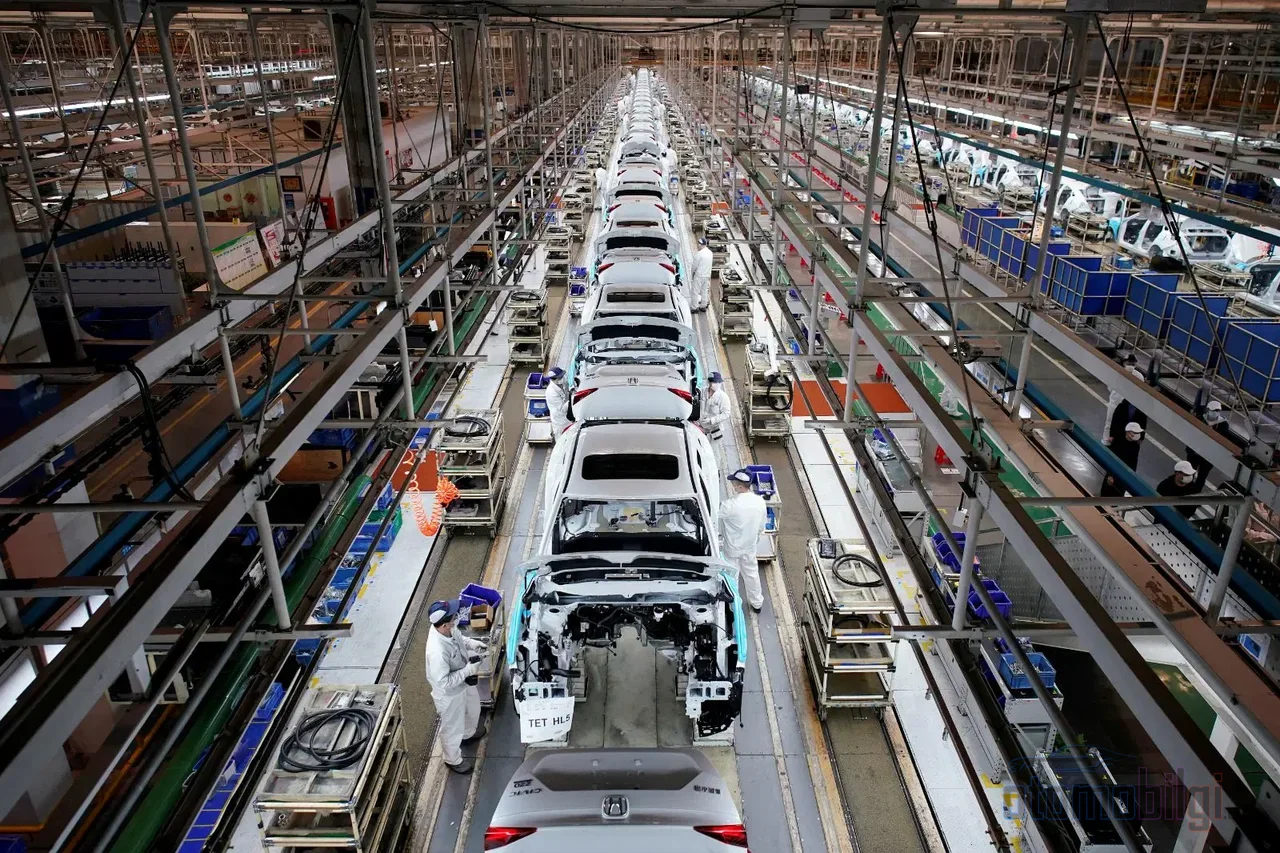
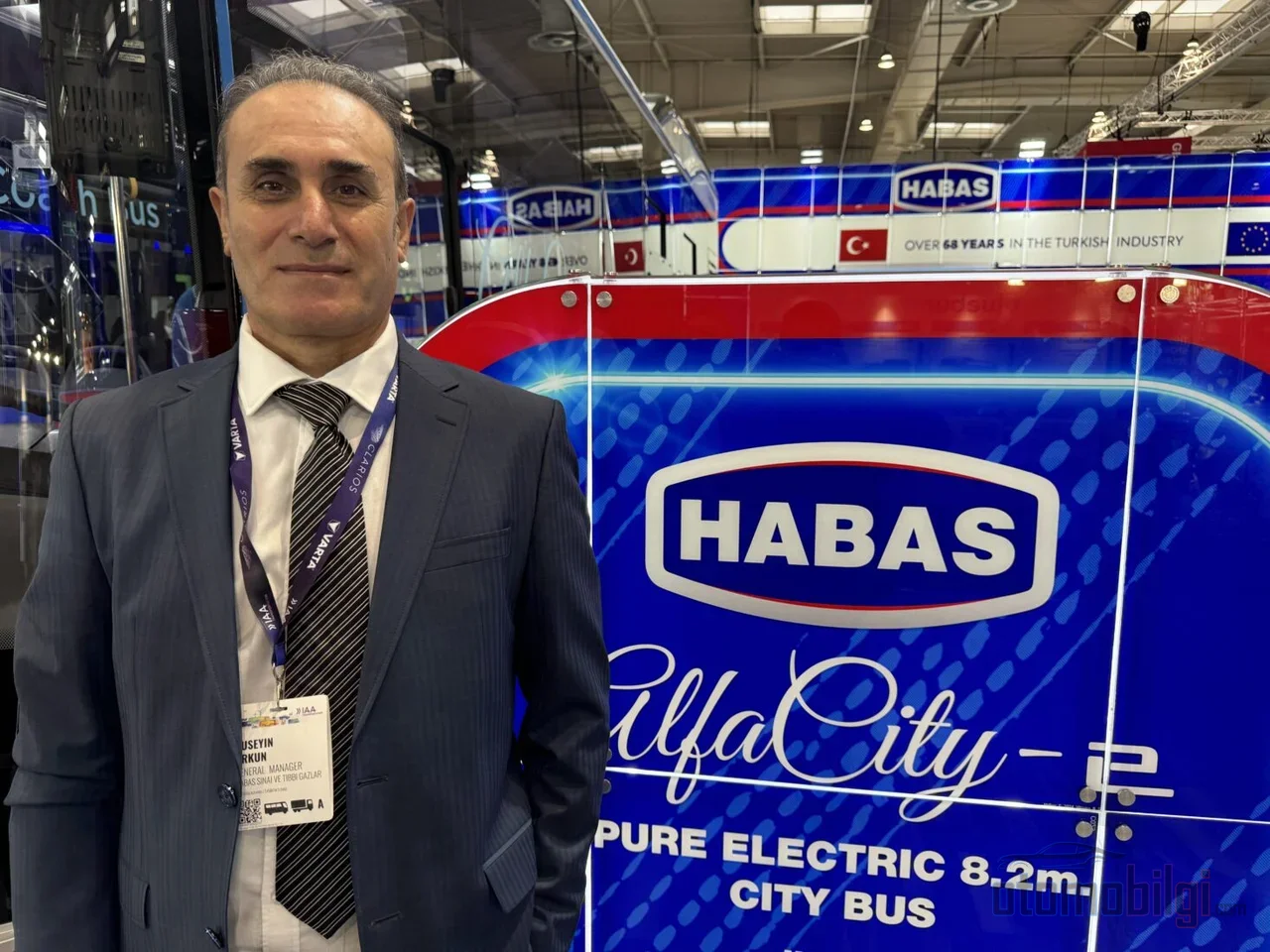
HABAŞ Otomotiv made an unusual entry into the Turkish automotive scene by purchasing Honda Türkiye's passenger car plant in Gebze Şekerpınar. HABAŞ Otomotiv General Manager Hüseyin Urkun stated that the plant had an annual capacity of around 50,000 vehicles at the time of the takeover, and announced that the capacity has been raised to the 75,000-100,000 range and all the lines have been renewed. So what we are looking at is not a facility built from scratch, but a project built on the experienced backbone of a plant that has produced cars.
The target on the passenger car side is to start with two models in the first phase: one sedan and one crossover. According to the planned schedule, both models are expected to be unveiled by the end of 2026. Moreover, this picture is not the whole of HABAŞ's automotive plan; the group is also carrying out a plan to produce 20,000 commercial vehicles in Manisa, including light commercial vehicles. While the Manisa facility focuses on the production of heavy and light commercial vehicles and buses, electric and hydrogen bus and truck models under the HBS brand were previously unveiled at the Hannover fair.
When the plant was taken over, it had an annual capacity of around 50,000 vehicles; we have raised this capacity to the 75,000-100,000 range and renewed all the lines.
The size and scope of the investment
The total cost of the project, when passenger and commercial vehicle investments are calculated together, reaches around 1 billion euros. To grasp what this figure means, one must remember the reality of the automotive industry: Anyone who has been following this industry for more than 30 years can comfortably say that the cost of building a brand from scratch has always been assumed to be low. This is why HABAŞ's path is also a smart one; taking over a ready-made production infrastructure and investing on top of it is one of the least risky starting strategies on paper.
Frank Stephenson signature: what do we know about the design side?
One of the most talked-about details of the project lies hidden in the design. It is reported that world-famous designer Frank Stephenson, who signed iconic models such as the modern MINI, BMW X5, and Ferrari F430 during his career and worked with BMW, Ferrari, and McLaren, is involved in shaping the models. This is not a small toy: The involvement of a name like Stephenson in the project shows that the design quality is intended to be kept at an international level.
In the past, the first thing that came to mind when talking about a domestic car was handmade prototypes and fair booths. Now, the same project is being discussed with experienced names from all over the world and renewed production lines. This change is one of the most concrete signs that the Turkish automotive ecosystem is maturing.
Engine options: gasoline, hybrid, and plug-in
HABAŞ's product strategy here differs from the path Togg has taken. Three different powertrain options are targeted for the vehicles: gasoline, hybrid, and chargeable hybrid (plug-in hybrid). So, instead of rushing toward an all-electric future, HABAŞ plans to bring different power systems together in the same product family. Considering that charging infrastructure in today's Turkish market is still weak outside major cities, this multi-engine strategy can be said to be commercially reasonable.
The matter of the engine supplier has not yet been officially clarified. While the trio of gasoline, hybrid, and PHEV is predominantly reported for the passenger models, some industry-sourced shares state that the models will use Volvo-sourced hybrid and PHEV units, while light commercial vehicles will feature a Renault (Horse) diesel engine. This second report is not a verified detail; we need to wait for the engine options to be finalized with an official announcement.
Comparison with Togg: two domestic cars, two different paths
HABAŞ is positioned as Türkiye's second passenger car venture with 100% domestic capital, following Togg. However, the philosophy of the two projects is quite different. While Togg focuses entirely on electric vehicles, HABAŞ plans to offer gasoline, hybrid, and plug-in hybrid options on the same models. This difference is also reflected in the origin of the production facilities: While Togg is produced in a facility built from scratch in Gemlik, HABAŞ is being built on top of a factory that has produced cars for many years.
| Feature | Togg | HABAŞ |
|---|---|---|
| Capital structure | 100% domestic capital | 100% own domestic capital |
| Powertrain strategy | Fully electric | Gasoline, hybrid, plug-in hybrid |
| Production facility | Gemlik (newly established) | Gebze Şekerpınar (inherited) |
| First models | SUV | Sedan and crossover |
Following Togg's trail on the market side is instructive. In August 2026, Togg became the second most preferred brand of the month with 4,886 sales; the same month, it alone produced about 41% of the 11,878 electric cars sold in Türkiye. This shows that the electric segment is growing but still makes up a small slice of the entire market. HABAŞ's multi-engine approach can be read as a strategy that is aware of this fact.
The search for domestic production in the Türkiye automotive market
HABAŞ's venture is not landing in an empty space, but in the middle of a rapidly changing market. The share of domestic vehicles in the passenger car market rose from 29 percent in 2025 to 34 percent in 2026. This is a sign of a significant shift in consumer behavior. On the other hand, while total automotive production declined by 6 percent to 971,159 units, the 2 percent increase in domestic car sales reveals an interesting divergence; while production contracts, demand is turning toward domestic brands.
There is also movement on the regulatory side of the industry. The Ministry of Industry and Technology announced in February 2026 that the calculation of the domestic contribution ratio in automotive had been temporarily halted, emphasizing the preservation of production continuity. As of June 2026, the localization rate of automotive manufacturers in Türkiye ranges between 50 and 70 percent; in other words, the domestic car debate is not only about who owns the brand, but also about the depth of the supply chain.
The gray area in the definition of "domestic car"
One notable point of debate in the HABAŞ project is the content of the word "domestic." The company emphasizes 100 percent domestic capital; however, the fact that the factory is being taken over from a foreign manufacturer and that the engine supply has not yet been clarified raise question marks about where the technical infrastructure originates. This distinction between domestic production and domestic capital has been on the industry's agenda for years, and the HABAŞ example has revived this debate. Let us say it with 30 years of experience: no automobile project rises from scratch with the labor of a single nation; the real question is how much of the added value should remain in the country.
Who is HABAŞ? The company's industrial history
HABAŞ is an industrial group with more than 68 years of history and 100 percent domestic equity. On the automotive side, it has been the Türkiye representative of the motorcycle brands Kawasaki, Harley-Davidson, and Sym for many years; in other words, an organization that knows the industry's distribution arm well. With the Gebze project, the group will be one of the rare Turkish industrial organizations to move from representation to manufacturing.
This history is one of the factors that lend solidity to the project. Rather than merely dreaming of a car, the fact that a group that has gained years of experience in the sales and servicing of motor vehicles is stepping into manufacturing shows that the risk calculation has been made in a more balanced manner on paper. The commercial vehicle and bus investment in Manisa is also an extension of this; the group is not reducing automotive to a single project, but expanding its portfolio.
The expected timeline and next steps
The current target for the unveiling of the first models is consistently reported as by the end of 2026. It should be noted that when the project first came onto the agenda in 2024, statements of "production from the end of 2025 onward" were used; over time, the timeline appears to have evolved into "unveiling by the end of 2026." This is a common slippage in automotive projects; but it would be wise for prospective buyers to follow the final launch calendar from official sources.
There are a few points to keep in mind:
- The first launch target points to the end of 2026; the production and delivery calendar will become clear with the launch
- Engine options have been officially stated as gasoline, hybrid, and plug-in hybrid; there are separate, unverified reports that an all-electric option is being worked on
- The Gebze plant's capacity has been raised to the 75,000-100,000 range; the initial target is 75,000 vehicles/year
- Commercial vehicle production in Manisa is proceeding as a separate line
HABAŞ's story is a fine example of the maturation process of Türkiye's automotive industry. Domestic capital filling the gap created by Honda's withdrawal from Gebze is a valuable development both for the regional economy and for the industry's production culture. The real test of this project will begin when the models hit the road; until then, the most sensible approach is to wait for the calendar, pricing, and technical details to be clarified through official announcements.
Sources
- HABAŞ to produce cars and commercial vehicles with an investment of approximately 1 billion euros (AA)
- HABAŞ Otomotiv - Official website
- HABAŞ Is Becoming Türkiye's Second Domestic Car Brand
- HABAŞ's Domestic Car to Be Unveiled at the End of the Year
- HABAŞ Domestic Car: Frank Stephenson Design, 2026 Calendar
- The share of domestic vehicles increased by 5 points
- Temporary deferral of the domestic goods rule in automotive
- Invest in Türkiye – Automotive Industry
- Automotive Industry Analysis