HABAŞ's First Models to Feature Design by Frank Stephenson
Share This Page
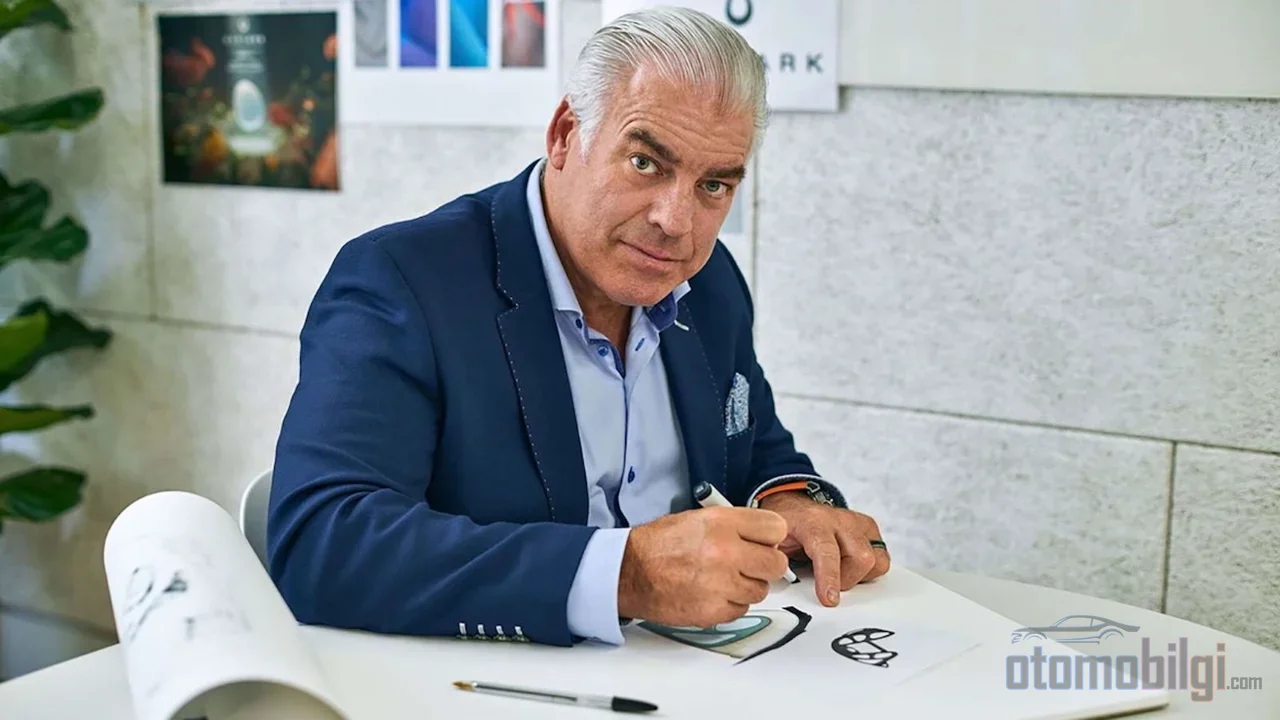
After Togg, Türkiye's second major passenger car venture to set out with entirely domestic capital, HABAŞ, has entrusted the exterior design of its first models to Frank Stephenson, whose signature appears in the history of brands such as BMW, Ferrari and McLaren. The company aims to increase production, which will begin with sedan and crossover bodies at Honda's former factory in Gebze, to 75 thousand units per year, and the first models are expected to be unveiled by the end of the year. Details of the roughly 1 billion euro investment, the engine plan and the design process are on this page.
Highlights
- The design identity is being created by Frank Stephenson ; in the first phase, two models are planned: a sedan and a crossover .
- Production will take place at Honda's former factory in Gebze/Şekerpınar; the capacity target is 75 thousand vehicles per year.
- The engine lineup will include gasoline, hybrid and plug-in hybrid options.
- The total size of the automotive investment is approximately 1 billion euros.
- The first models are expected to be unveiled by the end of 2026 ; the exact date has not yet been announced.
When will HABAŞ's domestic car project be unveiled?
According to the company's stated timeline, the first models are targeted to be unveiled to the public by the end of 2026. This is the most concrete date discussed since the project was announced; however, the month and format of the unveiling have not yet been clarified. The wave of news that spread at the end of August largely illuminated topics such as the design team, the production base and the engine plan; as for the official unveiling day, the company has not made a joint statement.
This uncertainty also fits a pattern we have long observed in the industry. We have left behind the days when a new brand would share all its technical data before introducing its first car; now, almost every launch is preceded by a piece-by-piece flow of information. HABAŞ's process is similar: the broad outlines are known, while the details are being saved for the unveiling. Technical data such as engine power, battery capacity, consumption and range figures, as well as pricing information, have not yet been disclosed either.
It should also be remembered that this is not the first version of this timeline. In earlier news about the project, it was said that series production would begin much earlier; that did not happen and expectations shifted to the unveiling phase. Considering how challenging it is for a domestically funded passenger car venture to launch its first car, I am among those who believe the delay should be regarded as natural.
The design is signed by Frank Stephenson: What does this name mean?
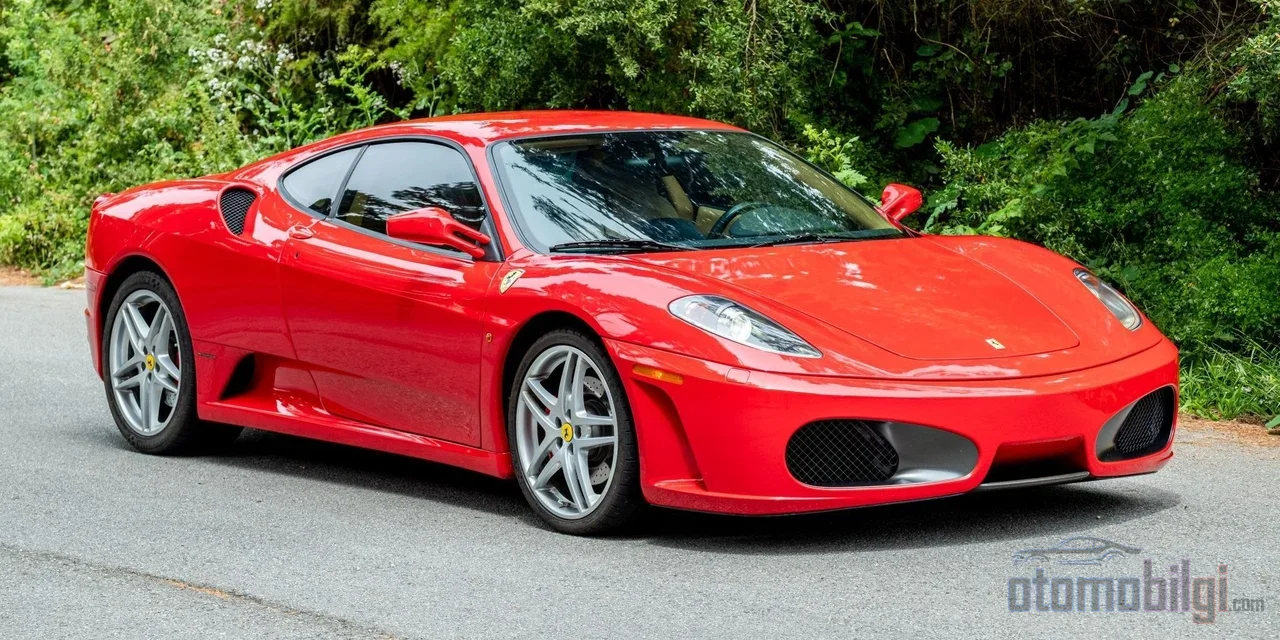
The most striking decision HABAŞ made on the design side was entrusting the project to Frank Stephenson. For anyone who has worked in this field for many years, Stephenson's résumé speaks for itself: he is known as one of the architects of the modern MINI's design, with signatures on the first-generation BMW X5, the Ferrari F430, the McLaren P1, the Maserati MC12 and the Fiat 500. Few names in this spectrum have been able to design both economical and high-performance vehicles; Stephenson possesses a breadth that only a handful of designers have achieved.
His role in the project is far broader than simply drawing the exterior lines of a single vehicle. The aim is to build the new brand's design identity and its future design language from scratch. This means comprehensive work aimed at series production, extending from the first sketches to 3D modeling, from surface development to clay and hard model work, and from there to engineering support and molding processes. Those who have done this work know: the transition of a design from a clay model to the series production mold is the idea on the drawing board itself; the real marathon begins afterward.
The vehicles' exterior appearance has not yet been fully disclosed to the public. At this stage, I would particularly like to emphasize that the visual interpretations circulating online need to be separated from official information; in projects like this, the spread of speculative renders mistaken for real designs is an old industry habit.
The old Honda factory in Gebze: Is the production infrastructure ready?
Passenger car production will take place at Honda's former factory in Gebze/Şekerpınar, Kocaeli. After producing the Civic Sedan at this facility for roughly 24 years, Honda ended its passenger car production in Türkiye in 2021; the factory's purchase by HABAŞ coincides with the same period. It is known that the company brought to Türkiye not only the building but also the production equipment it purchased from the facilities Honda closed in England. So instead of starting from scratch on the infrastructure front, they are setting out from a facility born to build cars - a choice expected to provide a significant gain in terms of cost and time.
The factory's annual production capacity is targeted to be raised to 75 thousand units. The company's management has stated that when they took the facility over from Honda, the capacity was at the 50 thousand level; some publications also treat this target as being in the 75-100 thousand range. Whichever end you look from, it is a solid starting volume for a second domestic passenger car brand.
The commercial vehicle side: the Manisa leg
HABAŞ's automotive investment is not limited to passenger cars. The total investment size is stated to be around 1 billion euros, and this figure covers both passenger and commercial vehicle production. Commercial vehicle production is carried out at the 100 thousand m² factory in the Manisa Organized Industrial Zone; buses, midibuses, tractors and trucks are produced there. The commercial vehicle capacity is 15 thousand units per year, and the bus and midibus range includes internal combustion, electric and hydrogen fuel cell options.
The tangible products of production in Manisa have already started to become visible: the SteelPower line, covering tractor and heavy truck production with diesel and 100% electric chassis, has been completed. The company has also announced that it is targeting a range of over 1,000 km in its hydrogen-powered ComfortCity-H2 model. This picture shows that the passenger car project was never a step taken into an empty field, and that an active production organization stands behind it.
First models: Sedan and crossover, three engine options
The first stage will launch with two body types: a sedan and a crossover. On the engine side, three versions are planned: gasoline, hybrid, and plug-in hybrid. This combination is a fairly sensible answer to the market's current reality: since charging infrastructure in Türkiye is still in its development phase, the gasoline and hybrid versions will reach a wide audience, while the plug-in hybrid builds a bridge to buyers who are curious about the electric experience but have no range anxiety.
It should be noted that some news in the industry also mentioned a fully electric option; however, this claim, beyond the three options listed in mainstream reports, has not been verified, and I prefer not to include unverified information on this page. Likewise, the circulating guesses about which manufacturer's engines will be used do not yet have any official basis.
| Title | Status |
|---|---|
| Body types | Sedan and crossover |
| Engine options | Gasoline, hybrid, plug-in hybrid |
| Production site | Gebze/Şekerpınar (former Honda factory) |
| Capacity target | 75,000 vehicles annually |
| Investment size | Approximately 1 billion euros |
| Design | Frank Stephenson |
| Expected unveiling | By the end of 2026 |
| Technical data and pricing | Not yet announced |
A rival to Togg? An honest look at its position in the market
HABAŞ was quickly positioned in the public eye as the second domestic car after Togg, and this framing is correct: the second major venture aiming to produce passenger cars with fully domestic capital in Türkiye. However, declaring the two projects rivals from the start would be a premature judgment given while there is still no product. The product lineup, engine technologies, and target audience may differ; I believe the real comparison should be made after the official unveiling.
Meanwhile, segment predictions have already started circulating. In line with the C-segment expectation, probable competition is being listed on the sedan side with the Civic, Corolla, and Elantra; and on the crossover side with the T10X, Tucson, Sportage, Qashqai, and 3008. It is enough for me to remind that all of these are speculative and none of them is based on an official statement. Still, it is understandable that the market is mentally running through these names: as someone who has been watching this market for more than thirty years, no fortune-telling is needed to predict that a domestic brand will challenge the most crowded segments in Türkiye at the moment of its debut.
On the company's own side, the goal has been clearly laid out: to become a global automotive brand. It is stated that the R&D and product development infrastructure is being expanded; the project's scope may later include SUVs and light commercial vehicles as well. In other words, the journey that began in Gebze is not a project planned to remain limited to two models.
What is known, what is unknown, and expectations ahead of the unveiling
To sum up the information about the project that rests on solid ground: the design is being carried out under the supervision of Frank Stephenson, covering not just the exterior of a single vehicle but the brand's entire design language; production will take place at the former Honda factory in Gebze, with an annual capacity target of 75,000 vehicles; the first two body styles will be a sedan and a crossover, offering gasoline, hybrid, and plug-in hybrid engines; total investment is around the 1 billion euro level, and the unveiling is targeted to be completed by the end of the year.
The unknowns are just as important as the knowns: the exact unveiling date, the vehicles' technical specifications, range and consumption figures, equipment packages, and of course the price. For readers buying a car in Türkiye, the first question is always the price; the answer to this question will not be on the table until the unveiling. When evaluating the project, the healthiest approach is to base it on official statements and keep a distance from visual and technical speculation.
In conclusion, the picture surrounding HABAŞ that has become clearer in recent weeks points to a project with real seriousness: the backing of an active commercial vehicle manufacturer, the signature of an experienced design director, and a passenger car venture to be established in an existing production facility. The unveiling by the end of the year will be the first moment we see the product side of this picture. Until then, the most measured thing to say is this: the infrastructure, team, and timeline appear to be in place; the real test will begin after the unveiling.
Sources
- HABAŞ Otomotiv - official website
- Countdown Begins for HABAŞ's New Domestic Car: Frank Stephenson Signature in Design - Industry Investment
- HABAŞ Domestic Car Is Coming: New Car Designed by Frank Stephenson - OtoPanorama
- HABAŞ begins automotive production with a 1 billion EUR investment - Motor1
- HABAŞ will produce cars and commercial vehicles with an investment of approximately 1 billion euros - Sabah
- Türkiye's second domestic car is coming: Ferrari and McLaren designer in the lead role - CNBCE
- HABAŞ Domestic Car: Frank Stephenson Design, 2026 Target - Oto Kampanya