GM and LG's Joint Venture to Mass-Produce LMR Battery Cells
Share This Page
Ultium Cells, the joint venture between GM and LG Energy Solution, announced that it will convert its Spring Hill facility in Tennessee to mass-produce lithium-manganese-rich (LMR) prismatic battery cells; the facility is expected to become the world's first to produce this chemistry at scale. LMR is a solution that sits in the middle of the two most common battery chemistries: it promises significantly higher energy density than LFP and lower cost than high-nickel cells. GM's goal is to bring this balance to the road in full-size trucks and SUVs in 2028.
Highlights
- The Spring Hill facility is on its way to becoming the first plant to mass-produce prismatic LMR cells
- LMR claims 33% higher energy density compared to LFP
- A range target of over 400 miles in electric trucks
- The conversion, along with ESS production, represents a $1 billion investment by 2030
- EVs with LMR are expected on the road in 2028
What is LMR battery chemistry, and what makes it different?
LMR stands for "lithium manganese rich." The idea has actually been on the table for years: in the cathode composition, meaning the positive side of the cell, reduce the share of expensive metals and increase the proportion of cheap manganese. Cobalt is one of the most expensive items in this business; nickel is also a metal with fluctuating prices and a risky supply side. Manganese, on the other hand, is both abundant and affordable. The problem was that using manganese at high ratios had long been challenging in terms of capacity and lifespan.
The cell GM announced can reduce the cobalt ratio inside the cathode to as low as 2%; the manganese content is in the 30-40% range. The company's engineers claim that LMR sits at a point where performance is close to NMC but the cost is significantly lower. The clearest number is this: compared to the best-performing LFP cells, 33% higher energy density at a comparable cost. If you can fit one-third more energy into your pack at the same cost, that is a serious difference in the world of electric vehicles.
For someone who has been following this for years, what is truly remarkable is that instead of hiding the known flaws of this chemistry, the company went after them and sought an engineering solution. LMR cathodes have historically been known for their short lifespans, meaning low cycle durability. GM claims these problems have been overcome on the cathode materials, electrolyte formulation, additives, and cell assembly side. The claim is bold; but it seems the company intends to take this risk, because the joint venture has dedicated a factory to the effort.
Why does this technology debut in electric trucks first?
The choice of full-size trucks and SUVs as LMR's first application area is no coincidence, it is calculated. In heavy vehicles, the capacity of the battery pack, and therefore its cost, accounts for a much larger share of the vehicle's total cost. The same packaging cost savings amount to a few hundred dollars on a small hatchback, while on a large truck pack it can mean savings of over $6,000, as GM aims for. Range is also scaling up: GM is targeting a range of over 400 miles (about 650 km) for electric trucks with LMR.
Another dimension is competitive positioning. GM's electric truck platform today boasts segment-leading range figures with its high-nickel chemistry; it doesn't want to give up that advantage. LMR is positioned here not as a replacement, but as a complement: while high-nickel cells keep their place in the versions requiring the highest range, LMR will build on today's affordable chemistries and strengthen the lower-middle segment of the product lineup. In GM's own words, LMR sits between high-range NMC and low-cost LFP.
While high nickel continues to deliver maximum range, LMR allows us to move past today's more affordable chemistries. This technology will expand customer choice in the truck and full-size SUV market.
What kind of transformation will the Spring Hill plant undergo?
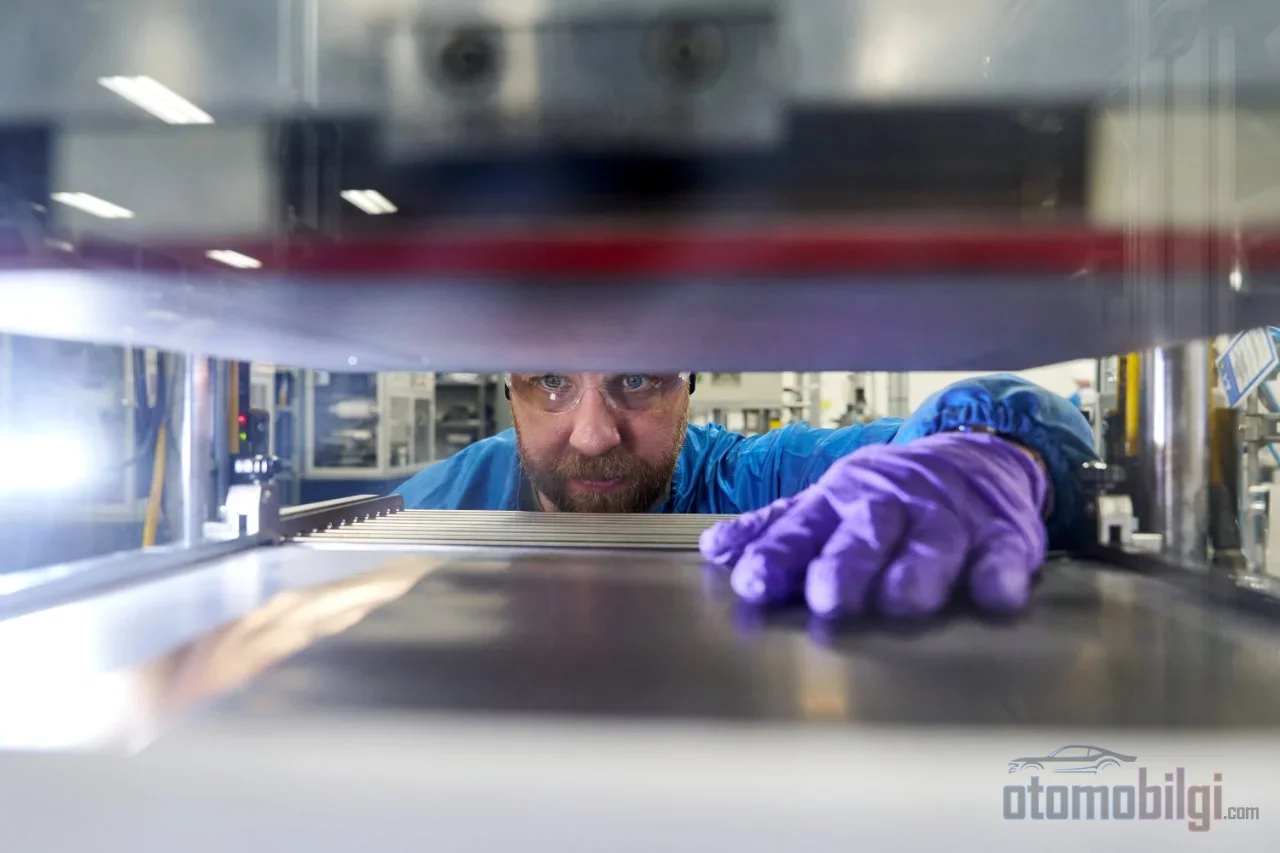
The real news of the announcement is not the technology itself, but the production decision. The plant in Spring Hill, Tennessee will be converted for LMR prismatic cell production and is expected to be the first plant in the world to produce this chemistry in serial prismatic format. Modifications will begin toward the end of 2026 and will be completed in 2028; pre-production is planned to begin at an LGES plant toward the end of 2027.
Spring Hill won't do this job alone. The plant will also include LFP production alongside LMR; the facility is becoming a structure capable of producing cells in both pouch and prismatic formats. The Warren plant in Ohio will continue NMC production. What emerges is a production network with three chemistries, two formats, and two plants, which is a clear sign that GM is playing all its chips on one bet.
Alongside LGES's LFP production improvements for energy storage systems, the transformation represents a total investment of $1 billion by 2030. On the human resources side, the creation of approximately 500 new jobs is anticipated; the plant's current workforce is 1,200 people. This is also the joint venture's second major move at Spring Hill: the plant had begun producing LFP cells for storage purposes for LGES Vertech customers in June 2026.
Production network and timeline
| Plant / stage | Production | Timing |
|---|---|---|
| Spring Hill, Tennessee | LMR prismatic + LFP (pouch and prismatic) | Conversion end of 2026, completion 2028 |
| Warren, Ohio | NMC (nickel-cobalt-manganese-aluminum) | Ongoing |
| LGES plant | LMR pre-production | End of 2027 |
| Road vehicles | Electric trucks and SUVs with LMR | 2028 |
Comparison of the three chemistries: LFP, NMC and LMR
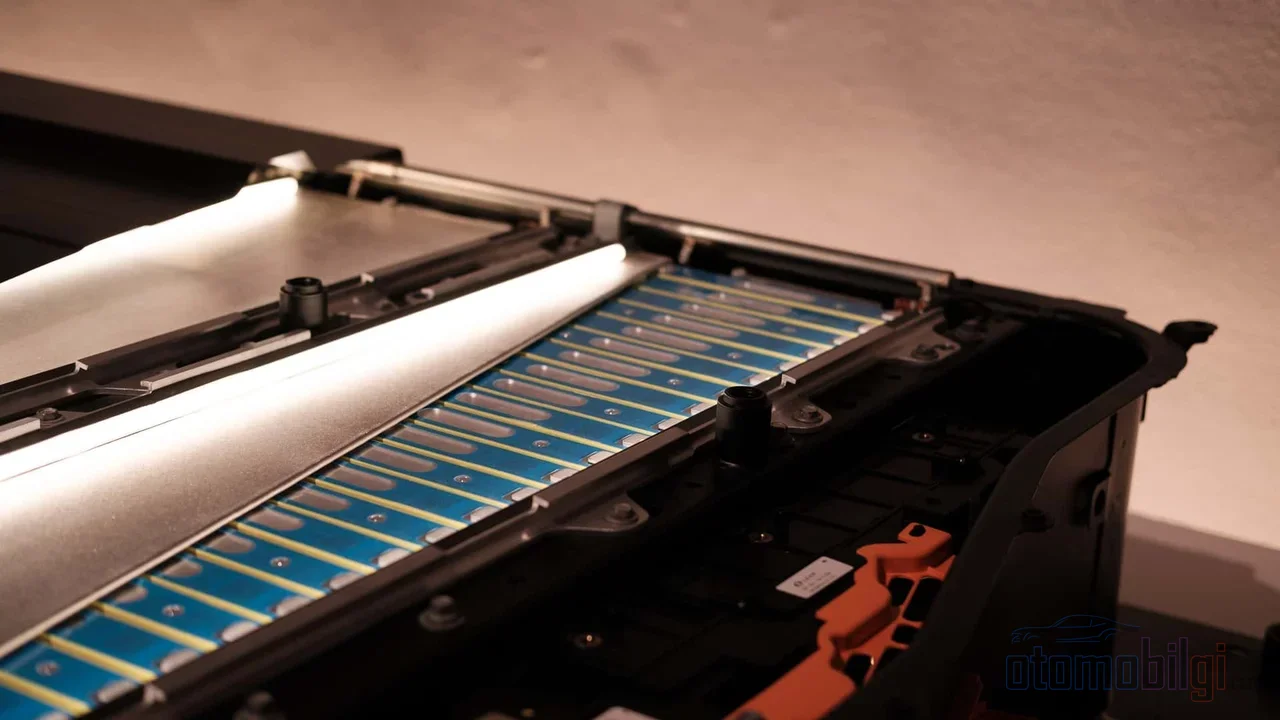
To understand where LMR sits, you need to put the market's current two pillars side by side. Today, roughly 60% of global EV cells are in prismatic format, and LFP makes up about 55% of the global market; most of that supply is under the control of two Chinese manufacturers. The table summarizes the claimed strengths of the three chemistries:
| Chemistry | Strength | Weakness |
|---|---|---|
| LFP | On average 40% cheaper than NMC per kWh | Low energy density |
| NMC (high nickel) | Roughly 40% better energy density, highest range | Cost and dependence on expensive raw materials |
| LMR | 33% denser than LFP, comparable cost | No proof of mass production or lifespan yet |
How could this move change the battery race?
LMR's strategic appeal is not just cost math; it is also about supply geography. Since the world's supply of LFP cells is largely held by two Chinese manufacturers, Western brands are forced either to take licenses, form joint ventures, or focus on expensive high-nickel solutions. In GM's words, LMR is presented as a way to build affordable battery capacity without depending on China. In this context, it is a move of industrial autonomy in its own right.
The other leg of the competition is in an area no one is staying away from: Ford is also reported to be making progress on LMR chemistry, aiming for more affordable, long-range electric vehicles toward the end of the decade; Ford's own claim is that LMR could even surpass high-nickel cells. Ford's statements on this front do not come with an official production decision, but the direction is clear: manganese-rich chemistry is on the agenda of America's two major truck makers.
A note on the cost front: average battery prices declined by 8% in 2025; manufacturing efficiency and chemistry transitions supported this decline. So LMR's cost claim will be born into a market that is already sliding steadily downward. The promised equation of "comparable cost to LFP, 33% more density" will be tested on ground where competitors will not stand still. To keep it short: numbers look nice in announcements, but the real test happens on the production line.
One figure to stay away from and one warning
As a side note: statements like "up to 40% reduction in battery costs" are circulating online; this figure appears only in some video content and is not the company's official claim. The official commitment is comparable cost to LFP plus 33% energy density. No surprise here: gaps of this kind between official announcements and social media have always existed; the referee will once again be the cell itself.
The second warning concerns the timeline. Although GM's battery-side executive said development was progressing according to plan, the 2028 target was not later reaffirmed. The historical risk on the chemistry side also remains on the table: LMR's cycle life issue is a topic that has been debated for years in the automotive world through warranty periods and second-hand values. There is a long way between GM engineers claiming they have overcome these legacy issues and the claim being verified across hundreds of thousands of cells.
The visible part of a long effort
This decision was not made overnight. GM began research into manganese-rich cells in 2015 and carried out its prototyping work at the Warren Battery Cell Innovation Center in Michigan. On the LG Energy Solution side, the work is not new either: the first LMR patent dates back to 2010, and with more than 200 LMR patents, the company holds the largest intellectual property portfolio in this field. So the announced production decision is the result of more than a decade of accumulated R&D being brought down to the factory floor. In the past, battery technology discussions revolved around the production figures of factories in China; now the conversion of a facility in Tennessee is a candidate to be at the center of that conversation. If the balance LMR promises works out, the electric truck buyer's obligation to choose between long range and a reasonable price will be significantly eased for the first time. If it doesn't, the cost of a decade of R&D remains on paper. Both possibilities are open; but the first facility setting the tone is a meaningful start.
Sources
- Ultium Cells to Upgrade Spring Hill Operations to Produce LMR Prismatic Battery Cells (Ultium Cells, September 28, 2026)
- Ultium Cells to bring LMR prismatic battery cell production to Tennessee (GM News, September 29, 2026)
- GM and LG Energy Solution to pioneer LMR battery cell technology (GM News, May 13, 2025)
- Why LMR batteries will change the outlook for the EV market (GM News, May 13, 2025)
- Ultium Cells boasts $1B investment for future affordable GM EV batteries (WardsAuto, September 30, 2026)
- General Motors Just Took A Big Step Towards Its Next-Gen EV Battery (InsideEVs, September 29, 2026)
- Electric vehicle batteries - Global EV Outlook 2026 (IEA)
- GM bets big on a battery no one builds yet (christopherchico Substack)
- GM Will Make Its Electric Trucks and SUVs Cheaper (MotorTrend)