Born From Bootleggers: The Real Founding Story of NASCAR
Share This Page
NASCAR was born in the 1930s-40s American South, from the street cars that bootleg whiskey-hauling drivers strengthened to escape the police; In 1947, Bill France Sr. brought this scattered racing world together under one roof with a hotel meeting in Daytona Beach, and NASCAR was officially founded on February 21, 1948. So at the root of this massive organization that hundreds of thousands of people watch today lies, in fact, the unofficial training program of an illegal profession. Once you hear this story, you will never forget it, I promise.
Highlights
- The first NASCAR race was held on February 15, 1948 on the Daytona Beach beach course; the winner was Red Byron.
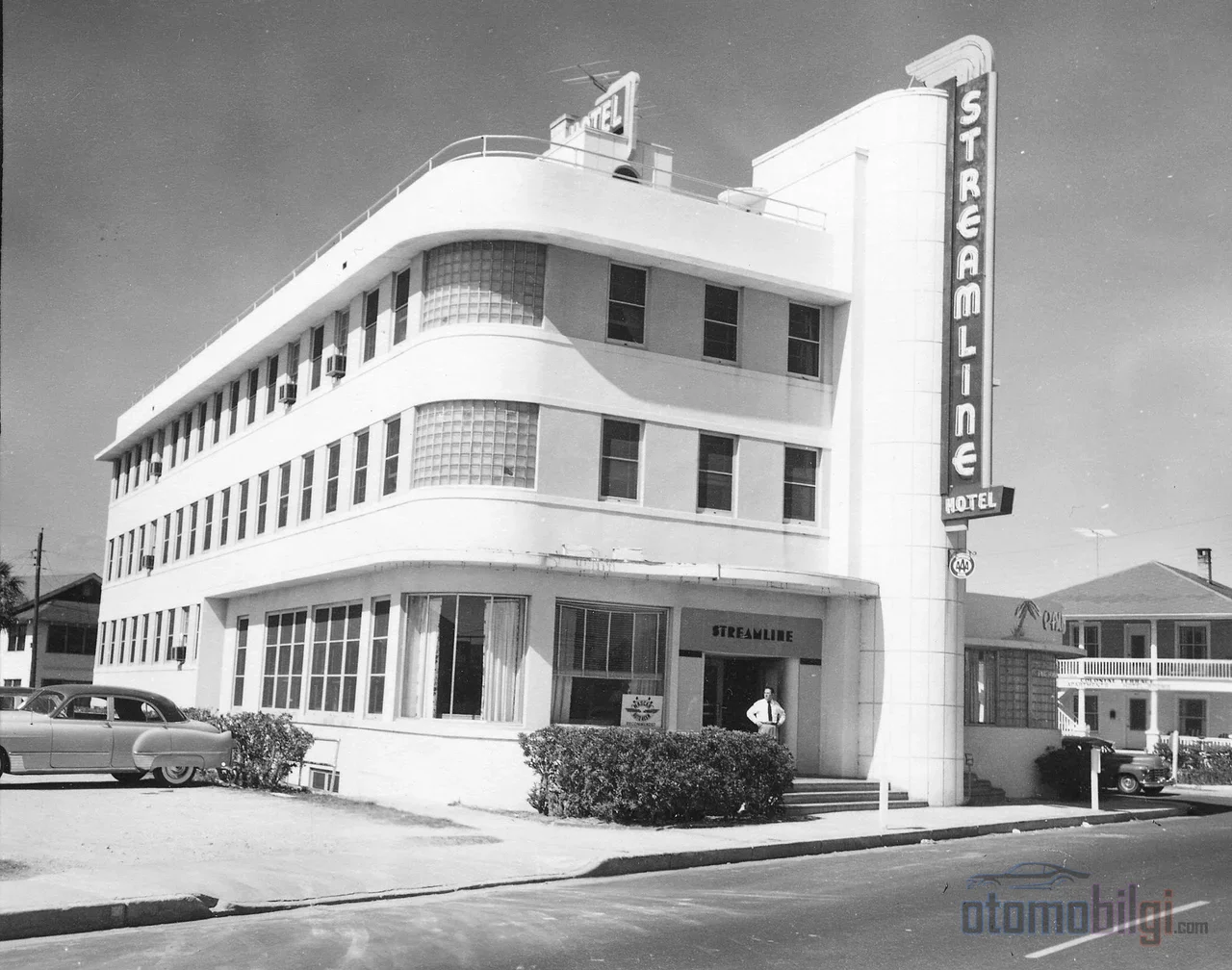
- The founding meeting was held on December 14, 1947 at the bar on the top floor of the Streamline Hotel.
- The first Daytona 500 was run on February 22, 1959; the winner was Lee Petty, announced 61 hours later.
- Legends who came to NASCAR from a moonshine past: Junior Johnson, Wendell Scott, and Curtis Turner.
What is the founding story of NASCAR, and is there really a connection with bootleggers?
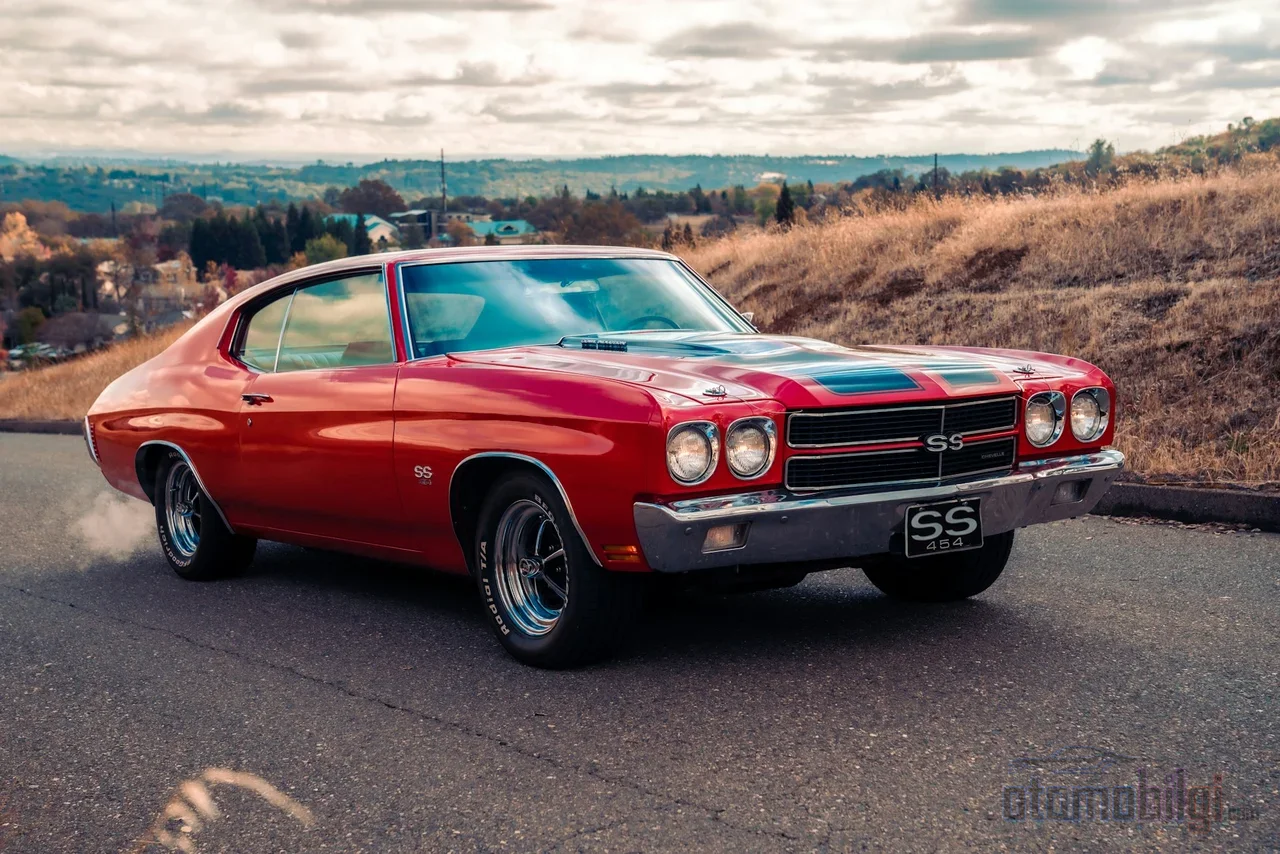
The short answer: Yes, there really is. The roots of stock car racing go back to the Prohibition era in the United States, that is, between 1920 and 1933. There were drivers who carried the illegal whiskey produced in the Appalachian region, nicknamed moonshine, to the cities. What was the biggest requirement of this job? Speed. A driver who could not escape the police lost both his cargo and his freedom.
That is why bootleggers quietly developed their cars like laboratories: they strengthened the engines, stiffened the suspension for better grip, and removed the back seats to increase cargo capacity. Much like being asked today "have you lowered the springs on your car?", the modification culture of that era also took shape in garages. Just think about it: men who covered hundreds of kilometers a day without ever stopping at lights, with no safety checks, and in an extremely tense state of mind - they do not become good drivers by chance, they become good drivers out of necessity.
Let us also honestly mention one detail: It is debated that this narrative became somewhat legendary over time and that not everything happened exactly this way. But it is certain that moonshine transportation fed the racing culture, and that among NASCAR's first generation there really were drivers with bootlegger backgrounds. So is it myth or reality? We can say it is both: a core truth, surrounded by an embellished legend.
The end of Prohibition did not end the business, it only changed the rival
In 1933, Prohibition was lifted and part of the business dried up. But the demand for moonshine in the South never went away; this time there were government officials chasing the drivers to collect taxes. So the need for speed continued. In fact, in the mid-1930s they began racing each other with their delivery cars in fairgrounds - entertainment with low seriousness but high competition. It became one of the most beloved spectacles of the rural South, especially in the Wilkes County region of North Carolina. Street cars were lightened, strengthened, and the category we call modified was born.
And in 1936, Daytona Beach held its first organized stock car race. The stage was set.
Bill France Sr.: A dreamer who moved to Daytona
The man at the center of the story is Bill France Sr., nicknamed Big Bill. He moved from Washington D.C. to Daytona Beach to escape the Great Depression - sources cite the year of the move as either 1934 or 1935, the exact date is a bit murky, but the outcome doesn't change. He first worked as a mechanic, then bought a gas station and kept racing on the dirt tracks of the South. So he was someone who knew cars, understood business, and had a nose for publicity.
He also took part personally in the first big Daytona race: In that chaotic event on March 8, 1936, 27 cars started, only 10 finished, and France placed 5th. . The winner was Milt Marion; light Fords swept the top six spots. In 1938 he took over the operation of the track, and before World War II he organized a few more races. Because of the war, no racing could be held in Daytona from 1941 to 1947 - but France didn't sit idle; in 1947 he got into promotion and set about reweaving the racing world with his own vision.
The night at the Streamline Hotel: How was NASCAR founded?
Now let's get to the heart of the matter. In 1947, France founded a unified series called the "National Championship Stock Car Circuit." When AAA refused to provide financial backing, he announced his own rules and prizes: $1,000 and a trophy for the season champion. That year about 40 events were run, and Fonty Flock became the first champion, winning 7 of the 24 races he entered.
But the real root of the problem was financial: Drivers were constantly falling victim to crooked promoters who took the purse and vanished. Think about it: you train for months, tear your car apart to prepare it, you win, and then the organizer turns tail and runs off into the dust. This setup needed a governing body, and everyone knew it.
On December 14, 1947, France called 35 men, representing the NCSCC, to the Ebony Bar on the top floor of the Streamline Hotel (sources sometimes give a smaller number; the exact list of participants is disputed, but the meeting itself is not). It was the first of four seminars. The name of a new organization was discussed there; the first idea, "National Stock Car Racing Association," was scrapped because a rival federation was already using that name. The solution came from mechanic Red Vogt: "National Association for Stock Car Auto Racing" - NASCAR. It sounds just like a corporation, doesn't it? That mysterious, slightly official air itself became part of the brand's success.
NASCAR was officially founded on February 21, 1948. Its first office was in a building at 800 Main Street in Daytona Beach; Bill Tuthill became national secretary, and Erwin "Cannonball" Baker became commissioner. If you don't know Baker's name, let me put it this way: He was a living legend who had raced in the Indianapolis 500 and set more than 100 land speed records.
The first races and the birth of the concept of "stock"
The first NASCAR race was run on the Daytona Beach beach course on February 15, 1948, just six days before the organization's founding. Red Byron won with a Ford and became national champion that same year. The 1948 calendar had 52 modified dirt track races - in other words, the beginning was all beaches and mud.
The original plan had three divisions: modified, roadster, and "strictly stock" - meaning cars close to factory condition. The roadster idea was quickly abandoned; strictly stock was put on hold for a while because manufacturers could not meet post-war sedan demand. But it was precisely this idea that created the identity setting NASCAR apart from other racing series: cars similar to what sat in the spectator's garage, in genuine competition.
The first Strictly Stock race (the ancestor of today's Cup Series) was run on June 19, 1949 at Charlotte Speedway - a different place from today's Charlotte Motor Speedway. Things got comical here: Glenn Dunaway was disqualified for having modified rear springs on his car, and victory passed to Jim Roper. Rules being broken in the very first race somehow shows how ingrained the moonshine modification culture was. That day Bob Flock took pole position, and Sara Christian, who finished 14th, became the first woman to race in the series. About 13,000 people watched this historic moment. Red Byron, meanwhile, was declared the first Strictly Stock champion on October 16, 1949. The series took the name Grand National in 1950, and by the mid-1960s "stock" cars were stock only in appearance, wholly purpose-built racing machines inside.
From bootlegger to the tracks: Junior Johnson and others
The most colorful character in this story is undoubtedly Junior Johnson. As the son of a bootlegger, he grew up in a period when roughly a third of his life saw his father in prison, and in his youth he hauled moonshine on the roads of North Carolina in a 1940 Ford Deluxe Coupe. Then he carried this "education" to the tracks: He won 50 NASCAR victories, retired from driving in 1966, and as a team owner won 6 more championships. In 2010 he entered the first class of the NASCAR Hall of Fame. He was known by the nickname "Last American Hero" and became famous for his mastery of the art of drafting.
And he was not the only one: Among the Virginia bootlegger drivers there were also names like Wendell Scott, who represented the hope of the first Black winner in NASCAR history, and Curtis Turner. In other words, a moonshine story bubbled up from every corner of the track.
The first Daytona 500: 61 hours of suspense
And we come to the story's grand finale. Bill France Sr. did not just establish a league; apparently bored with the narrowness of the beach course at Daytona Beach, he dreamed of something far more ambitious: a massive, steeply banked superspeedway of 2.5 miles (about 4 km). This is how Daytona International Speedway was born.
The first Daytona 500 was run at this new track on February 22, 1959, and 41,921 spectators filled the grandstands. The finish was one of the most agonizing photo finishes in motorsport history: Johnny Beauchamp was immediately declared the winner, but no one could speak with certainty until the photographs and newsreel footage were examined. The result was announced 61 hours later: Lee Petty was registered as the winner by two feet. Two feet! That is, the first winner of this giant organization's most prestigious race was decided by a distance shorter than the length of a car. When you think about how far photo-finish systems measured in milliseconds have come today, imagining those 61 hours is almost fun.
| Milestones | Date | Name |
|---|---|---|
| First organized stock car race | March 8, 1936 | Milt Marion (winner) |
| Founding meeting | December 14, 1947 | led by Bill France Sr. |
| Official founding of NASCAR | February 21, 1948 | - |
| First NASCAR race | February 15, 1948 | Red Byron |
| First Strictly Stock race | June 19, 1949 | Jim Roper |
| First Strictly Stock champion | October 16, 1949 | Red Byron |
| First Daytona 500 | February 22, 1959 | Lee Petty |
From bootlegging to the cup: why does this story still matter?
Looking at NASCAR's structure today - giant teams, budgets worth millions of dollars, stacks of technology - those muddy, illegal, beach-track origins of the past seem almost unbelievable. But it is precisely this contrast that shapes the sport's identity. Something that started in people's garages grew in people's grandstands. The scoring systems used by teams racing with Next Gen cars today can be considered distant descendants of that first rules meeting at the Ebony Bar.
In my opinion, the most beautiful part is this: NASCAR has never hidden its origins. Junior Johnson's story, the memory of the beach track, Lee Petty's 61-hour victory... All are part of the sport's DNA. The next time you watch a Daytona 500, remember that the ancestor of those cars lined up at those enormous speeds was a Ford loaded with whiskey. Then tell me: in what other sport do heroes come from such a piratical past?
Sources
- NASCAR History – Official Site Of NASCAR
- NASCAR – Wikipedia
- NASCAR is born – Volusia County
- 1959 Daytona 500 – Wikipedia
- NASCAR's Moonshine Roots – NASCAR Hall of Fame
- NASCAR Rooted in Prohibition Bootlegging – The Mob Museum
- Bill France Sr. – Wikipedia
- Junior Johnson – Britannica
- The First Strictly Stock Race – NASCAR Hall of Fame
- Did NASCAR Really Start With Bootleggers? – HowStuffWorks